Native Plants for Organic Gardening
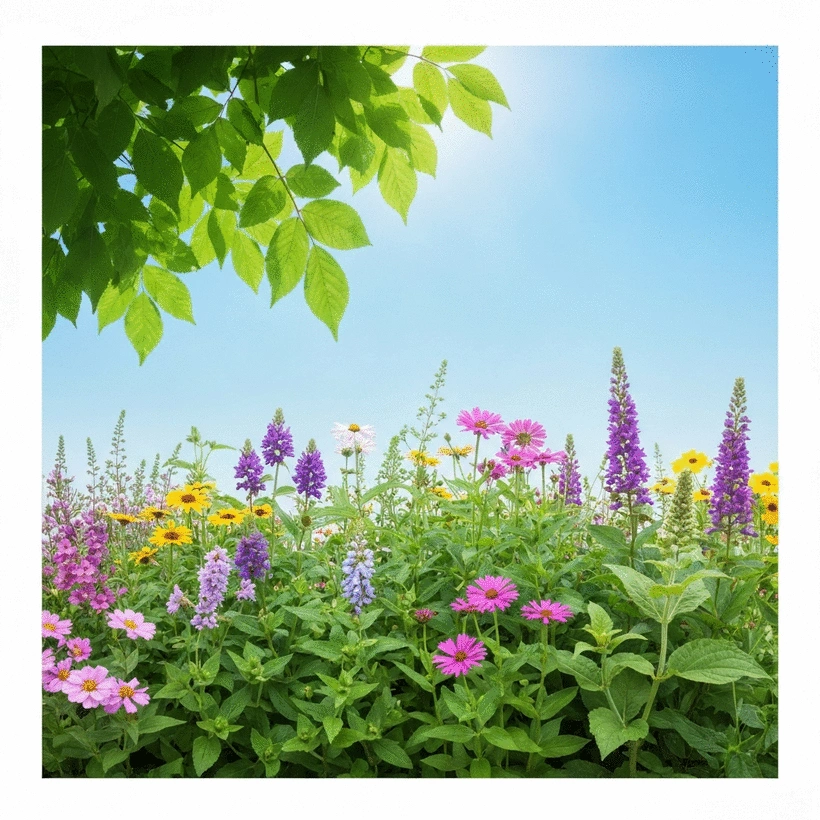
Have you ever considered how your garden can be a sanctuary not just for you, but for the entire ecosystem? As we delve into the world of organic gardening, we uncover the profound impact native plants can have on our green spaces.
What You Will Learn
- Native plants enhance biodiversity by providing food and habitat for local pollinators, such as bees and butterflies.
- These plants conserve water and promote healthy soil, significantly reducing irrigation needs.
- Native plants are resilient to climate changes, making them ideal for sustainable gardening practices.
- Companion planting with native species can boost vegetable growth and deter pests naturally.
- Engaging with local native plant societies can provide valuable resources and community support for sustainable gardening.
Key Benefits of Native Plants in Organic Gardening
Native plants offer multifaceted advantages for organic gardens, enhancing biodiversity, conserving water, and building climate resilience.
Enhancing Biodiversity
Native plants provide food and habitat, attracting vital pollinators like bees and butterflies, crucial for garden health and ecosystem balance.
Water Conservation
Adapted to local rainfall, these plants require less irrigation, promoting healthier soil and significantly reducing water consumption.
Climate Resilience
Native species are better equipped to withstand extreme weather, contributing to a more sustainable and stable ecosystem.
Organic Pest Management
Many native plants possess natural repellent qualities or attract beneficial insects, reducing the need for chemical interventions.
Understanding the Value of Native Plants in Organic Gardens
As I dig into the rich soil of my own garden, I can't help but appreciate the role that native plants play in creating a flourishing ecosystem. Using native plants in organic gardening not only enhances the beauty of our gardens but also supports the local environment. Today, let’s explore why these plants are essential for organic gardening and how they can transform your green space into a vibrant sanctuary.
Native plants are adapted to the local climate and soil, which means they require less water and fewer resources to thrive. They play a crucial role in maintaining the balance of our ecosystems, especially in urban areas where biodiversity often suffers. I’ve found that incorporating native species has not only beautified my space but also invited local wildlife, which is a win-win!
Why Native Plants Are Essential for Organic Gardening
When we think about organic gardening, it’s essential to understand the multifaceted benefits of native plants. Here are a few key points to consider:
- Enhancing biodiversity: Native plants provide food and habitat for local pollinators, such as bees and butterflies, which are vital for the health of our gardens.
- Water conservation: These plants are naturally adapted to their environments, using less water and helping to maintain healthy soil.
- Climate resilience: Native species are more resilient to climate fluctuations, making them an excellent choice for sustainable gardening.
By introducing native plants into your garden, you are creating a welcoming habitat for various species and contributing to the overall health of the environment. It's inspiring to witness how even small changes can lead to significant ecological benefits!
Enhancing Biodiversity and Supporting Pollinators
One of the most exciting aspects of working with native plants is their ability to attract pollinators and other wildlife. Imagine seeing a flurry of butterflies dancing around your flowers or hearing the gentle buzz of bees as they go about their work. This vibrant activity not only makes your garden feel alive but also helps to pollinate your plants, leading to a more fruitful harvest.
In my own garden, I’ve noticed a direct correlation between introducing native plants and the health of my vegetable crops. By planting species like coneflowers and milkweed, I've created a thriving environment that supports local pollinator populations. It's a beautiful reminder that our gardens can be a source of life for more than just us!
Water Conservation and Soil Health Benefits
Another reason to embrace native plants is their efficiency in water usage. These plants are adapted to local rainfall patterns, requiring less irrigation than non-native species. Incorporating them into your organic garden can significantly reduce your water consumption while promoting healthier soil. This is something I always stress to fellow gardeners—healthy soil leads to bountiful plants!
Furthermore, native plants often have deep root systems that help to improve soil structure and health. They can minimize erosion and enhance nutrient cycling, which supports a vibrant ecosystem. As a research report on sustainable agriculture highlights, healthy soil is fundamental to plant vigor. Every time I see my plants flourishing, I’m reminded of the importance of working with nature rather than against it.
The Role of Native Plants in Climate Resilience
As we face the challenges of a changing climate, native plants emerge as champions of resilience. By planting species that have thrived in our local conditions for generations, we are contributing to a more sustainable future. These plants are better equipped to withstand extreme weather events, including droughts and heavy rainfall.
I've experienced this firsthand in my own garden. When unpredictable weather hits, I find solace in knowing that my native plants are built to endure. They not only survive but often flourish, showcasing their natural beauty while helping to stabilize the ecosystem around them.
Organic Practices that Complement Native Plants
Integrating native plants into your organic gardening practice allows for a seamless blend of traditional techniques and innovative strategies. Here are some practices to consider:
- Companion planting: Pair native plants with your favorite vegetables to create a symbiotic relationship that enhances growth and deters pests.
- Organic pest management: Utilize the natural pest-repelling qualities of native plants to protect your garden without harmful chemicals.
- Utilizing native wildflowers: Introduce wildflowers as a natural pest control method, enriching your garden’s diversity while keeping pests at bay.
By adopting these organic practices, we can create gardens that not only flourish but also foster a thriving ecosystem. It's a fulfilling journey that showcases the beauty of collaboration between plants and the gardeners who nurture them!
Companion Planting Strategies with Native Species
Companion planting can be an excellent way to maximize the benefits of your native plants. For instance, planting native flowers alongside your vegetables can help improve pollination rates and reduce pest populations. Some effective combinations include:
- Milkweed and tomatoes: Milkweed attracts pollinators while providing habitat for beneficial insects.
- Black-eyed Susans and peppers: This pairing can improve pollination and deter harmful pests.
- Bee balm and squash: Bee balm attracts pollinators, which can enhance the productivity of squash plants.
As I explore my garden, I find it fascinating to observe how these plants interact and support one another. It’s a reminder that we're all part of a larger ecosystem, working together to create something beautiful!
Organic Pest Management Techniques Using Native Plants
Using native plants to manage pests is a sustainable and eco-friendly approach that I highly recommend. Many native plants have natural repellent properties that deter common garden pests. For example:
- Catnip: Effective against various pests, including aphids and beetles!
- Marigolds: Their strong scent can ward off nematodes and other harmful insects.
- Thyme: This aromatic herb not only enhances culinary dishes but also confuses pests with its strong aroma.
By strategically planting these native species, we can create a healthier garden ecosystem that minimizes the need for chemical interventions. It’s rewarding to see how nature provides us with the tools we need!
Utilizing Native Wildflowers for Natural Pest Control
Native wildflowers are not only beautiful but can also serve as effective tools for pest control. They attract beneficial insects that prey on common garden pests. Here are a few wildflowers to consider:
- Aster: Attracts predatory wasps that help control aphid populations.
- Goldenrod: Draws in parasitic wasps that target caterpillars and other pests.
- Yarrow: Known for its ability to attract ladybugs, which feed on aphids.
Integrating these wildflowers into your garden can create a beautiful and functional landscape, helping to keep pests in check while supporting local wildlife!
Frequently Asked Questions About Native Plants in Organic Gardening
- Q: Why are native plants important for organic gardens?
- A: Native plants are essential because they enhance biodiversity by providing food and habitat for local pollinators, conserve water due to their adaptation to local climates, and are more resilient to climate fluctuations, making them ideal for sustainable gardening practices.
- Q: How do native plants help with water conservation?
- A: Native plants are naturally adapted to local rainfall patterns, which means they generally require less irrigation than non-native species. Their deep root systems also help improve soil structure and health, leading to better water retention.
- Q: Can native plants assist in organic pest management?
- A: Yes, many native plants have natural repellent qualities that deter common garden pests or attract beneficial insects that prey on pests. This reduces the need for chemical interventions and supports a healthier garden ecosystem.
- Q: What are some examples of companion planting with native species?
- A: Effective combinations include planting milkweed with tomatoes to attract pollinators, black-eyed Susans with peppers to improve pollination and deter pests, and bee balm with squash to enhance productivity.
- Q: Where can I find resources to learn more about native plants and sustainable gardening?
- A: You can find resources through local native plant societies, which often host workshops and plant sales. Books like “Bringing Nature Home” by Doug Tallamy, dedicated websites, and local native plant nurseries also offer valuable information and quality plant stock. Additionally, engaging with community gardening initiatives can provide hands-on experience.
We Want to Hear From You!
What challenges have you faced when incorporating native plants into your garden? Share your thoughts and experiences below:
Join the Movement for Sustainable Gardening
As gardening enthusiasts, we have the power to make a significant impact on our environments by embracing sustainable practices. At The Urban Gardener's Haven, we believe that joining the movement for sustainable gardening is not just about growing plants; it's about nurturing our ecosystems. One of the best ways to get involved is by connecting with local native plant societies!
These societies offer a wealth of resources, from educational workshops to plant sales, that can help you expand your knowledge and enhance your garden. Plus, they foster a sense of community among like-minded individuals who share your passion for plants and nature.
Engagement with Local Native Plant Societies
Getting involved with local native plant societies is a fantastic way to support sustainable gardening in your area. Here are some ways you can engage:
- Finding Local Resources and Plant Sales: Many societies host events where you can purchase native plants and learn from experts about their benefits.
- Participating in Community Gardening Initiatives: Volunteering in community gardens can provide hands-on experience while contributing to local biodiversity.
By actively engaging with these groups, we can share our enthusiasm for gardening and gain valuable insights from seasoned gardeners. I remember my first community gardening event at a local park, where I felt an instant connection with other gardeners who were just as eager to learn and grow.
Taking Action: Resources for Further Learning
The journey of sustainable gardening is ongoing, and there are many resources available to help you continue learning about native plants and organic practices. Here are some valuable tools:
- Books, Websites, and Organizations Dedicated to Native Plants: Check out titles like “Bringing Nature Home” by Doug Tallamy, which explores the importance of native plants in your garden.
- How to Get Involved in Native Plant Conservation Efforts: Look for local conservation organizations that host events and activities focused on preserving native flora.
- Exploring Native Plant Nurseries for Quality Stock: Seek out local nurseries that specialize in native plants to ensure you're getting healthy, region-appropriate varieties.
By utilizing these resources, you can empower yourself and others to make informed decisions in gardening. I often recommend checking out local native plant nurseries, as they not only offer quality plants but also provide great advice on selection and care!
Recap of Key Points
Here is a quick recap of the important points discussed in the article:
- Enhancing biodiversity: Native plants support local pollinators, contributing to a healthy ecosystem.
- Water conservation: These plants are naturally adapted to their environment, requiring less water and promoting soil health.
- Climate resilience: Native species are better equipped to handle extreme weather conditions, making them sustainable choices for gardening.
- Companion planting: Pairing native plants with vegetables can enhance growth and deter pests.
- Natural pest management: Utilizing native plants with repellent properties reduces the need for chemical pesticides.