Exploring Orangerie Greenhouse Designs
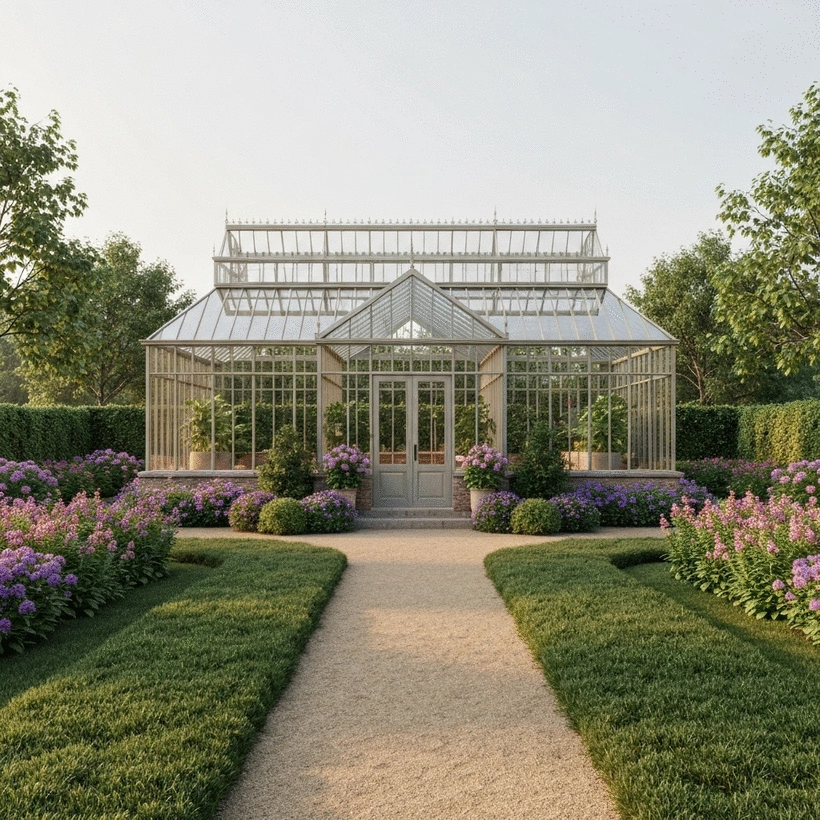
What if you could transform your home into a lush sanctuary? The orangerie greenhouse offers not just a space for your plants, but a beautiful, functional retreat that enhances your surroundings. Dive into the world of orangeries and discover how they can elevate your gardening experience!
What You Will Learn
- The defining features of orangerie greenhouses, including their transparent design and temperature control.
- Historical significance of orangeries and their evolution from citrus protectors to luxurious garden spaces.
- The crucial roles orangeries play in botanical gardens, such as conservation and community education.
- A comparison of orangeries, greenhouses, and conservatories, highlighting their unique characteristics and uses.
- Key pros and cons of each structure to help you choose the best fit for your gardening aspirations.
Orangeries, Greenhouses, and Conservatories: A Comparative Analysis
Understanding the distinctions between various plant structures is crucial for any gardening enthusiast. This visual guide highlights the key differences and benefits of Orangeries, Greenhouses, and Conservatories.
Orangeries
Originally for citrus, now for tender plants. Architectural elegance, large windows.
Pros:
- Aesthetic beauty
- Excellent light management
- Great for entertaining
Cons:
- Higher cost
- More maintenance
Greenhouses
Primarily functional for plant growth. Versatile designs, various types.
Pros:
- Highly efficient for plant growth
- Versatile in design
- Often more affordable
Cons:
- Can lack visual appeal
- Less suitable for social gatherings
Conservatories
Aesthetic focus, year-round enjoyment. Often attached to homes as garden rooms.
Pros:
- Elegant spaces for relaxation
- Ideal for showcasing plants
Cons:
- Limited growing conditions
- Not for all plant types
Greenhouse Types & Uses
Different designs cater to specific cultivation needs and spatial constraints.
Common Types:
- Lean-to: Maximizes space against existing structures.
- Freestanding: Flexible placement, stand-alone.
- Cold Frames: Low-cost, protects seedlings, extends season.
Understanding the Orangerie Greenhouse Concept
Welcome to the fascinating world of orangerie greenhouses! If you've ever dreamed of nurturing a lush garden in your home, the orangerie concept is a perfect starting point. This unique structure combines functionality with beauty, offering a space where you can grow plants year-round while enjoying an elegant setting. Let’s dive into what an orangerie greenhouse is all about!
Defining the Orangerie Greenhouse: Features and Characteristics
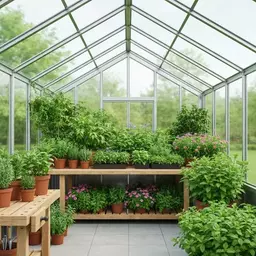
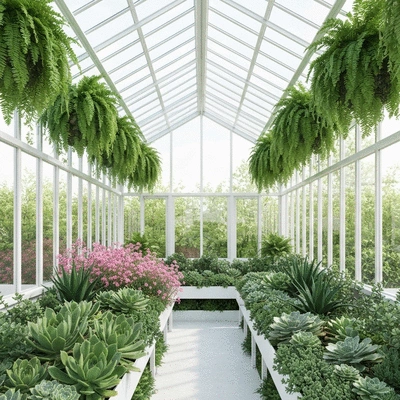
An orangerie greenhouse is much more than just a shelter for plants; it’s a harmonious blend of architecture and horticulture. Typically featuring a glass roof and walls, this structure allows for abundant sunlight, which is essential for plant growth. Here are some key characteristics:
- Transparent Design: The glass structure provides maximum light exposure.
- Temperature Control: Orangeries often include heating systems that help maintain a stable environment.
- Built for Style: These structures are often designed with exquisite details, making them a stunning addition to any property.
- Plant Variety: While originally intended for citrus fruits, orangeries can house a diverse range of plants, from orchids to tropical species.
Each of these features contributes to creating a thriving microclimate, perfect for plant lovers like us at The Urban Gardener's Haven.
Historical Background: The Origins of Orangeries
The history of orangeries dates back to the 16th century when they were first developed in Europe as a way to cultivate citrus fruits in colder climates. They became a symbol of wealth and prestige among nobility. These early structures were often lavishly designed, reflecting the grandeur of the estates they adorned. The evolution of orangeries showcases a fascinating journey through art, culture, and horticulture!
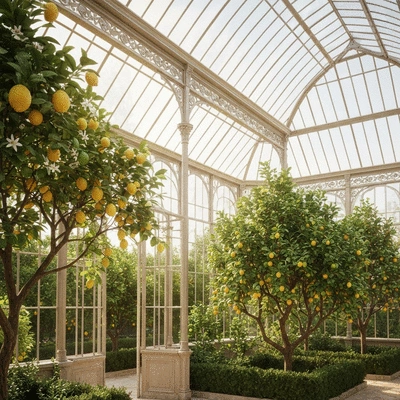
As time went on, the function of orangeries expanded beyond just protecting citrus fruits. They began to serve as spaces for displaying exotic plants, showcasing the owner's social status. Can you imagine hosting garden parties beneath the glass roof, surrounded by blooming flowers? It’s a beautiful picture, isn’t it?
The Role of Orangeries in Botanical Gardens and Horticulture
In modern times, orangeries play a crucial role in botanical gardens and horticulture. They serve as vital educational spaces, allowing visitors to appreciate the beauty and diversity of plant life. Here are some notable roles of orangeries in this context:
- Conservation: Many botanical gardens use orangeries to protect endangered plant species.
- Research: These greenhouses provide environments for horticultural research and experimentation.
- Community Education: They host workshops and tours, promoting learning about botany and sustainability.
Orangeries not only enhance the beauty of gardens but also contribute to the understanding and preservation of our planet's flora. What a wonderful way to combine passion for gardening with community engagement!
Interactive Poll
As you consider the addition of an orangerie greenhouse to your home, what aspect excites you the most? Is it the aesthetic beauty, the potential for year-round gardening, or perhaps the idea of entertaining in a lush environment? Share your thoughts below:
Comparative Analysis: Orangeries vs. Other Structures
When considering the addition of an orangerie greenhouse to your home, it's essential to understand how it compares to other gardening structures. Each type of structure offers unique features suited to different gardening needs. Let’s delve into the distinctions between orangeries, greenhouses, and conservatories, as well as the advantages and disadvantages of each!
Distinguishing Between Orangeries, Greenhouses, and Conservatories
First, it’s helpful to clarify what sets these spaces apart:
- Orangeries: Traditionally designed to protect citrus trees and other tender plants during colder months. They often feature more architectural details and large windows to allow for natural light.
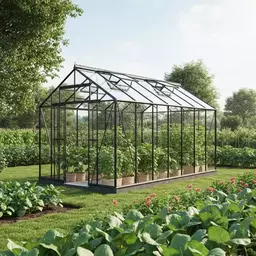
- Greenhouses: Primarily functional spaces meant for growing plants. These structures can range from simple polycarbonate designs to elaborate glasshouses.
- Conservatories: Similar to orangeries, but they focus more on aesthetics and year-round enjoyment of plants rather than just cultivation. They are often attached to homes and serve as garden rooms.
Understanding these distinctions can help you choose the best structure for your gardening goals. Personally, I love the aesthetic appeal of orangeries, which can blend seamlessly into your home’s architecture while providing an ideal environment for your plants!
Pros and Cons: Evaluating Each Structure's Benefits
Each gardening structure offers its own set of pros and cons. Here’s a quick breakdown to help you evaluate which might fit your needs:
- Orangeries:
- Pros: Aesthetic beauty, excellent light management, great for entertaining.
- Cons: Generally higher cost and may require more maintenance.
- Greenhouses:
- Pros: Highly efficient for plant growth, versatile in design, often more affordable.
- Cons: Can lack the visual appeal and comfort for social gatherings.
- Conservatories:
- Pros: Elegant spaces for relaxation, ideal for showcasing plants.
- Cons: Limited growing conditions; not as functional for all types of plants.
As a gardening enthusiast, I appreciate how each structure has its place in a gardener's toolkit, depending on your personal preferences and gardening aspirations!
Understanding Greenhouses: Types and Uses in Plant Cultivation
Greenhouses come in a variety of types, each suited for specific cultivation needs. Here are some common greenhouse types:
- Lean-to Greenhouses: Built against an existing structure, maximizing space while providing adequate sunlight.
- Freestanding Greenhouses: Stand-alone structures that offer flexibility in placement and design.
- Cold Frames: Low-cost options for protecting seedlings and extending the growing season.
These types cater to various gardening goals, whether you're nurturing seedlings or growing tropical plants. At The Urban Gardener's Haven, I often recommend greenhouses for beginners due to their accessibility and versatile design options!
Frequently Asked Questions About Orangerie Greenhouses
- What is the main purpose of an orangerie greenhouse?
- An orangerie greenhouse combines architectural beauty with horticultural functionality, providing a space to grow plants year-round. Originally, they were designed to protect citrus fruits in colder climates, but now they house a diverse range of plants and serve as elegant retreats.
- How do orangeries differ from traditional greenhouses?
- Orangeries are distinguished by their architectural elegance, often featuring more elaborate designs and large windows, originally for citrus plants. Greenhouses are primarily functional for plant growth, with versatile designs focused on cultivation efficiency and often come in more affordable options.
- What are the key features of an orangerie greenhouse?
- Key features include a transparent glass roof and walls for maximum light exposure, temperature control systems to maintain a stable environment, stylish designs with exquisite details, and the ability to house a wide variety of plants.
- What role do orangeries play in botanical gardens today?
- In botanical gardens, orangeries are crucial for conservation efforts (protecting endangered species), research (providing environments for horticultural experimentation), and community education (hosting workshops and tours to promote botany and sustainability).
- Are orangeries suitable for all types of plants?
- While originally for citrus, modern orangeries can host a diverse range of plants, including orchids and tropical species, thanks to their controlled environments. However, the specific plant variety will depend on the orangerie's exact internal conditions and the gardener's care.
Recap of Key Points
Here is a quick recap of the important points discussed in the article:
- Orangerie greenhouses combine beauty and functionality, allowing for year-round plant growth.
- Key features include a transparent design for maximum light exposure and built-in temperature control systems.
- Historically, orangeries were symbols of wealth, originally designed to protect citrus fruits in colder climates.
- Today, orangeries play a vital role in botanical gardens for conservation, research, and community education.
- Understanding the distinctions between orangeries, greenhouses, and conservatories can help you choose the right structure for your gardening needs.
- Each structure has its pros and cons, catering to different gardening aspirations and aesthetics.