Organic Garden Planning Made Simple
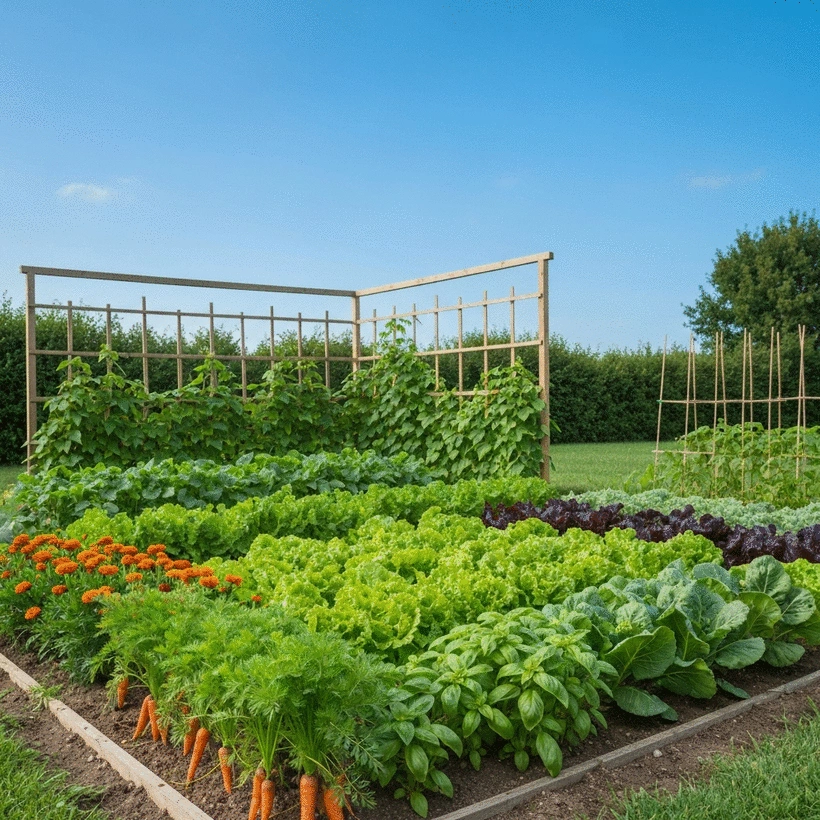
As you embark on your organic gardening journey, consider this: each seed you plant is not just a step towards a greener thumb, but a foundation for a healthier planet. What if your garden could be a thriving ecosystem that not only nourishes you but also the earth? Let's explore how to cultivate that vision.
What You Will Learn
- Organic gardening emphasizes sustainable practices that preserve environmental health.
- Healthy soil is the cornerstone of successful gardening; incorporating organic matter is crucial.
- Crop rotation helps manage soil nutrients and reduces pest infestations, enhancing overall plant health.
- Companion planting can naturally bolster growth and minimize pest issues by pairing beneficial plants.
- Choosing heirloom varieties and organic seeds supports biodiversity and often results in tastier produce.
Core Practices & Benefits for a Thriving Organic Garden
Organic gardening focuses on sustainable methods, enhancing soil health, and fostering biodiversity. The visual below highlights key practices and their benefits.
Why Choose Organic Gardening?
- ✓Health Benefits: Fresher, more nutritious produce.
- ✓Environmental Impact: Reduces pollution, conserves water.
- ✓Soil Health: Builds structure and fertility over time.
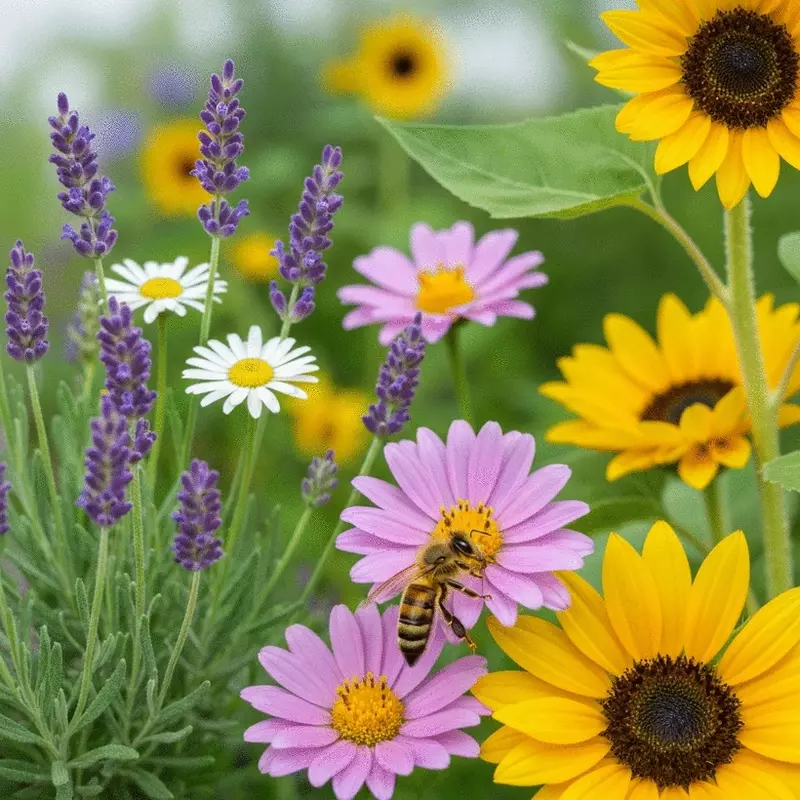
- ✓Biodiversity: Attracts beneficial insects and wildlife.
Benefits of Crop Rotation
- ✓Nutrient Management: Balances soil nutrients.
- ✓Pest Control: Disrupts pest habitats.
- ✓Soil Structure: Enhances aeration, prevents compaction.
- ✓Weed Suppression: Inhibits weed growth.
Fostering Soil Health
- ✓Add Organic Matter: Incorporate compost & manure.
- ✓Practice Mulching: Retains moisture, suppresses weeds.
- ✓Soil Testing: Understand nutrient status and pH.
- ✓Minimal Tillage: Maintains soil structure/organisms.
Heirloom Varieties & Organic Seeds
- ✓Diversity: Unique flavors and colors.
- ✓Resilience: Hardier, better adapted plants.
- ✓Sustainability: Supports sustainable farming.
Understanding Organic Gardening: A Sustainable Approach
When I first began my journey into gardening, I was drawn to organic gardening for its sustainable approach. It's more than just avoiding synthetic chemicals; it's about nurturing the soil and fostering a balanced ecosystem. Organic gardening allows us to connect with nature and grow our food in a way that is healthy for both us and the environment. This method not only promotes biodiversity but also enhances our understanding of the natural world around us!
Choosing organic gardening means selecting methods that respect the environment. By eliminating harmful pesticides and fertilizers, we contribute to the health of our soil, water, and air. Every small step toward gardening organically can make a significant impact on the planet. So, why not embark on this beautiful journey of growing your own vibrant garden filled with life?
What is Organic Gardening and Why Choose It?
Organic gardening revolves around growing plants without synthetic inputs. Instead, it focuses on natural processes and organic materials. This approach enhances soil health, encourages biodiversity, and produces food that is free from harmful chemicals. Here are some reasons to choose organic gardening:
- Health Benefits: Organic produce is often fresher and more nutritious.
- Environmental Impact: Reduces pollution and conserves water.
- Soil Health: Builds up the soil structure and fertility over time.
- Biodiversity: Promotes a diverse ecosystem, attracting beneficial insects and wildlife.
As I learned more about these benefits, I realized that organic gardening is not just a method—it's a philosophy that empowers us to be responsible stewards of our environment. Each decision we make in our gardens can help build a healthier planet!
Benefits of Crop Rotation in Organic Gardening
Crop rotation is a fundamental practice in organic gardening that helps maintain soil fertility and prevent pest and disease buildup. By alternating the types of crops grown in a particular area, we can break pest cycles and improve nutrient cycling. Let's explore some key benefits of crop rotation:
- Nutrient Management: Different crops have varying nutrient needs, helping to balance soil nutrients.
- Pest Control: Rotating crops disrupts pest habitats, reducing infestations.
- Soil Structure: Different root systems can enhance soil aeration and prevent compaction.
- Weed Suppression: Changing crops can inhibit weed growth by altering the growing conditions.
I remember the first year I implemented crop rotation in my garden; the difference it made in plant health was astounding! By rotating crops, not only did my yield improve, but I also noticed fewer pests invading my plants.
The Role of Soil Health in Organic Gardening
Healthy soil is the backbone of any successful organic garden. It provides essential nutrients, supports plant roots, and facilitates water retention. To foster soil health, consider these strategies:
- Add Organic Matter: Incorporate compost and well-rotted manure to enrich the soil. For more in-depth guidance on nutrient management in organic systems, you can refer to the Nutrient Management in Organic Systems guide by the USDA NRCS.
- Practice Mulching: Use organic mulches to retain moisture and suppress weeds.
- Soil Testing: Regularly test your soil to understand its nutrient status and pH balance.
- Minimal Tillage: Reduce disturbance to maintain soil structure and its beneficial organisms.
Each step we take towards improving soil health leads to stronger, more resilient plants. I often share with my readers how enriching the soil with compost is one of the simplest yet most impactful practices they can adopt. Healthy soil equals happy plants!
Frequently Asked Questions About Organic Gardening
Q1: What is the primary benefit of organic gardening?
A1: The primary benefits of organic gardening include producing fresher, more nutritious produce, reducing environmental pollution, improving soil health, and fostering biodiversity by attracting beneficial insects and wildlife.
Q2: How does crop rotation help an organic garden?
A2: Crop rotation helps manage soil nutrients, disrupts pest habitats to control infestations, enhances soil structure by improving aeration and preventing compaction, and can suppress weed growth.
Q3: What are some key practices for fostering soil health in an organic garden?
A3: Key practices for fostering soil health include adding organic matter like compost and manure, practicing mulching to retain moisture and suppress weeds, regularly testing soil to understand its nutrient and pH balance, and using minimal tillage to preserve soil structure and beneficial organisms.
Q4: Why should I choose heirloom varieties and organic seeds?
A4: Choosing heirloom varieties and organic seeds offers unique flavors and colors, provides hardier and better-adapted plants, and supports sustainable farming practices while preserving biodiversity.
Q5: Where can I find more resources for organic gardening?
A5: You can find resources in books focused on organic methods, online communities and forums, local workshops and classes, and by engaging with organizations like The Urban Gardener’s Haven and local gardening clubs.
We Want to Hear From You!
As you consider starting your organic garden, what challenges or questions do you have in mind? Share your thoughts below:
Summary of Best Practices for a Thriving Organic Garden
As we wrap up our journey through organic gardening, let’s highlight some key takeaways that can help you cultivate a vibrant, productive garden. Remember, organic gardening is about more than just growing plants; it’s about nurturing the soil, supporting local ecosystems, and creating a sustainable environment!
Here are some essential practices to keep in mind:
- Focus on Soil Health: Healthy soil is the foundation of a successful organic garden. Regularly test your soil and amend it with organic compost to boost its nutrient content.
- Embrace Crop Rotation: Rotate your crops to prevent pests and diseases while improving soil fertility. This simple practice can make a big difference!
- Practice Companion Planting: Pairing plants that benefit each other can enhance growth and minimize pest problems. It’s a natural way to support your garden’s ecosystem. You can find more details on effective companion planting strategies from Virginia Tech Extension's resources.
- Utilize Organic Fertilizers: Feed your plants with natural fertilizers and amendments to ensure they receive the nutrients they need without harmful chemicals.
By incorporating these best practices into your gardening routine, you'll set yourself up for success. It’s all about patience and observation as you learn what works best in your unique garden space!
Getting Started with Your Organic Journey
Resources for Further Learning and Support
Diving into organic gardening can feel overwhelming at first, but there’s a wealth of resources available to guide you. As the heart behind The Urban Gardener’s Haven, I’ve curated some fantastic tools and materials to help you along your journey:
- Books: Look for books that focus on organic methods and sustainable practices. Some of my favorites include "The Organic Gardener's Handbook of Natural Pest and Disease Control" and "Gaia's Garden".
- Online Communities: Join forums and social media groups dedicated to organic gardening. These spaces are filled with passionate individuals eager to share their tips and experiences!
- Workshops and Classes: Attend local workshops or classes focused on organic gardening techniques. Learning in a hands-on environment can be incredibly rewarding.
Don’t hesitate to explore these resources! They can provide you with the knowledge and inspiration you need to flourish as an organic gardener.
Join the Organic Gardening Community: Share Your Experiences
Gardening can sometimes feel like a solitary endeavor, but it doesn’t have to be! At The Urban Gardener’s Haven, we believe in the power of community. Share your journey, successes, and challenges with fellow gardeners. Here are some ways to connect:
- Social Media: Engage with us on social platforms where you can post pictures of your garden, ask questions, and share advice.
- Blog Comments: Join the conversation on our blog! Your insights and experiences can inspire others and create a supportive network.
- Local Gardening Clubs: Find or start a gardening club in your area to meet like-minded individuals who share your passion for organic gardening.
Remember, every gardener has a story to tell, and sharing yours can make a difference! Together, we can cultivate a thriving community.
Exploring Heirloom Varieties and Organic Seeds
As you embark on your organic gardening journey, don’t overlook the importance of choosing heirloom varieties and organic seeds. These options are not only better for the environment but also often yield tastier and more resilient plants.
Here’s why you should consider them:
- Diversity: Heirloom varieties offer unique flavors and colors, adding beauty and variety to your garden.
- Resilience: Many heirloom plants are hardier and better adapted to local growing conditions, making them more likely to thrive.
- Sustainability: Choosing organic seeds supports sustainable farming practices and helps preserve biodiversity. For comprehensive guidelines on organic farming and seed practices, consult the National Organic Handbook by the USDA NRCS.
I encourage you to seek out local seed swaps or specialty nurseries that focus on heirloom and organic options. Every seed you plant is a step towards a more sustainable future!
Recap of Key Points
Here is a quick recap of the important points discussed in the article:
- Focus on Soil Health: Regularly test and amend your soil with organic compost to ensure nutrient-rich conditions for your plants.
- Embrace Crop Rotation: Rotate your crops to maintain soil fertility and reduce pest and disease problems.
- Practice Companion Planting: Pair plants that benefit each other to enhance growth and minimize pests naturally.
- Utilize Organic Fertilizers: Opt for natural fertilizers to nourish your plants without introducing harmful chemicals.