Sustainable Small Garden Ideas
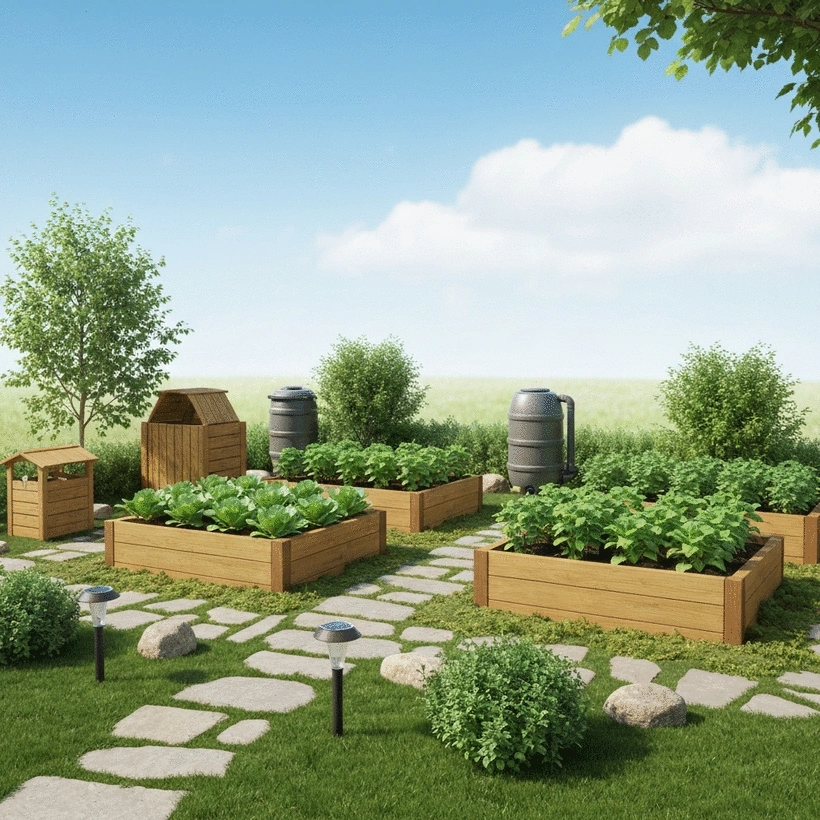
In a world where urban spaces are shrinking, our connection to nature becomes more vital than ever. Have you ever considered how a small garden can be both a sanctuary and a contributor to environmental health? Let’s explore the impactful lessons from creating your eco-friendly small garden.
What You Will Learn
- Eco-friendly gardens help reduce your carbon footprint through sustainable practices like composting.
- Incorporating native and drought-tolerant plants is essential for a sustainable garden that thrives with minimal maintenance.
- Vertical and container gardening can maximize limited space, providing innovative solutions for small gardens.
- Companion planting enhances plant health and optimizes space, allowing for a more productive garden.
- Keeping track of your garden’s progress not only aids in improvement but also deepens your connection to nature.
- Engaging with your community through shared gardening experiences can inspire others and foster a sense of belonging.
DIY Plan for a Small Sustainable Garden
Transform your small space into a green haven with these key steps:
1. Choose Your Space
Identify a sunny area in your yard or balcony for cultivation.
2. Plan Your Layout
Sketch a design, including plant placement and features.
3. Select Your Plants
Pick native and drought-tolerant species for sustainability.
4. Gather Materials
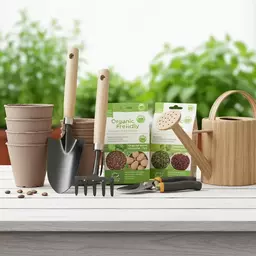
Collect soil, compost, mulch, containers, and hardscape.
5. Prepare the Site
Clear debris, weeds, and rocks, then amend soil with compost.
6. Plant with Care
Dig holes, place plants, and water thoroughly after planting.
7. Mulch and Maintain
Add organic mulch to retain moisture and suppress weeds.
Creating Your Eco-Friendly Small Garden: Essential Design Principles
As I step into my own urban garden, I’m reminded of the incredible benefits of cultivating eco-friendly small gardens. Not only do these gardens reduce our carbon footprint, but they also promote enhanced biodiversity. By creating spaces that support local wildlife and utilize sustainable practices, we can contribute positively to our environment while enjoying the beauty of nature right at home! Studies show that engaging with nature, even in small urban gardens, can significantly improve well-being, as highlighted by Oxy.edu's commitment to sustainable operations and community gardens.
Incorporating a sustainable garden design isn’t just a trend; it’s a lifestyle choice that brings numerous personal benefits, such as improved mental health and a deeper connection to the natural world. Have you noticed how greenery can lift your spirits? Every time I water my plants or watch my flowers bloom, I feel a sense of accomplishment and joy!
Understanding the Benefits of Sustainable Gardens
- Reduces Carbon Footprint: Eco-friendly practices like composting and using native plants minimize greenhouse gas emissions.
- Enhances Biodiversity: A diverse garden supports a variety of wildlife, including beneficial insects and birds.
- Improves Air Quality: Plants filter pollutants and produce oxygen, creating a healthier environment.
- Provides Fresh Produce: Growing your own fruits and vegetables reduces reliance on store-bought items, often wrapped in plastic.
By cultivating an eco-friendly garden, you’re not just creating a beautiful space; you’re playing an active role in environmental stewardship! With each blossom and vegetable grown, you’re contributing to a healthier planet.
Small-Space Challenges and Opportunities
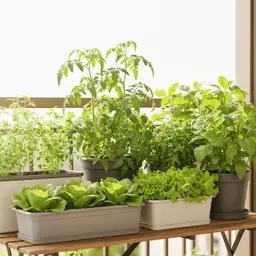
Of course, small gardens come with their own set of challenges. Limited space can feel restrictive, but it can also be an opportunity to get creative! You might find that vertical gardening or container gardening opens up a world of possibilities. Imagine herbs growing in hanging planters or tomatoes climbing a trellis!
By embracing the unique aspects of your small garden, you can transform potential obstacles into design opportunities. For instance, consider using multi-functional furniture, like benches that double as storage, to maximize both space and efficiency. What innovative solutions have you tried in your own garden?
Choosing the Right Plants for Your Sustainable Space
Native and Drought-Tolerant Plant Selection
When selecting plants for your small garden, focusing on native and drought-tolerant species can make a huge difference. These plants are adapted to your local environment and typically require less water and maintenance, making them perfect for sustainable gardening.
Consider incorporating plants like lavender, sedum, or coneflowers. They not only thrive in various conditions but also attract pollinators, enriching your garden’s ecosystem!
Grouping Plants by Water and Sun Needs
Understanding the specific needs of your plants is crucial for effective resource use. Grouping plants with similar water and sunlight requirements will help you optimize watering and care. For example, placing thirsty plants together allows you to water them as a group, preventing overwatering or drought stress.
Not only does this save you time, but it also promotes a healthier garden overall. What plant pairings have you found to work well in your own garden space?
Incorporating Edible Gardens and Companion Planting
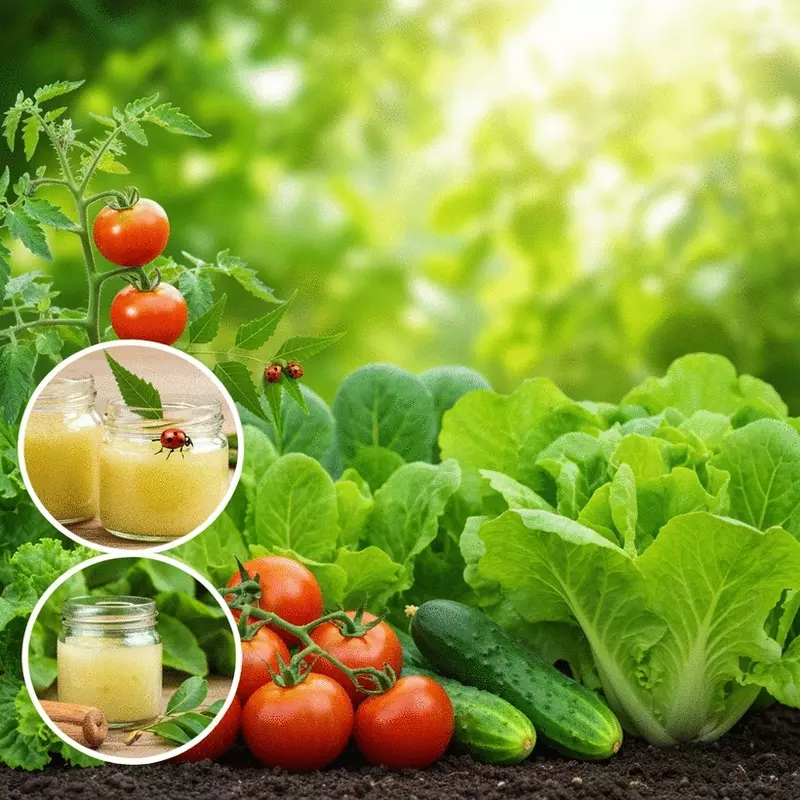
Integrating edible plants into your garden can be both rewarding and practical. Imagine snipping fresh basil for a pasta dish or picking strawberries right from your balcony! Companion planting, where certain plants grow better together, can maximize your space and enhance plant health. This approach aligns with principles discussed in research on sustainable food systems and the benefits of diverse planting strategies.
- Basil and Tomatoes: Planting basil alongside tomatoes can improve flavor and deter pests.
- Carrots and Onions: These two can coexist well, as the onion's scent can help keep pests away from carrots.
- Beans and Corn: Beans fix nitrogen in the soil, benefitting neighboring corn plants.
By designing your garden to support edible plants and companion planting strategies, you can create a vibrant and productive space that nourishes both body and soul. What delicious additions are you considering for your little oasis?
We Want to Hear From You!
What innovative solutions have you tried in your own garden to maximize space and sustainability? Share your thoughts below:
Bringing Your Eco-Friendly Small Garden to Life
Creating your own eco-friendly garden is an exciting venture! I often find that having a clear, step-by-step plan makes the process not only manageable but also enjoyable. Today, I want to share a detailed guide that will help you transform a small space into a sustainable green haven.
Frequently Asked Questions
Q: What are the main benefits of an eco-friendly small garden?
A: Eco-friendly small gardens help reduce your carbon footprint, enhance biodiversity by supporting local wildlife, improve air quality, and can provide fresh produce, reducing reliance on store-bought items.
Q: How can I maximize space in a small garden?
A: You can maximize space using vertical gardening techniques, container gardening, and incorporating multi-functional furniture. Companion planting also helps optimize space by allowing different plants to thrive together.
Q: Which types of plants are best for a sustainable garden?
A: Native and drought-tolerant plants are highly recommended as they are adapted to local environments, require less water and maintenance, and often attract beneficial pollinators.
Q: What is companion planting and how does it help my garden?
A: Companion planting is the practice of growing different plant species together for mutual benefit, such as improved growth, pest deterrence, or enhanced flavor. Examples include planting basil with tomatoes or carrots with onions.
Q: How can I connect with other gardeners and learn more?
A: You can engage with your community by sharing your garden story on social media, joining local gardening groups, attending workshops, or participating in community garden events to learn from shared experiences and resources.
Step-by-Step DIY Plan for a Small Sustainable Garden
Let’s roll up our sleeves and get started on your garden! Here’s a simple, step-by-step approach you can follow:
- Choose Your Space: Identify a sunny area in your yard or balcony where you can cultivate your garden.
- Plan Your Layout: Sketch a design that includes plant placement and any additional features like pathways or seating.
- Select Your Plants: Pick native and drought-tolerant plants to ensure sustainability and local wildlife support.
- Gather Materials: You’ll need soil, compost, mulch, containers (if applicable), and any hardscape materials.
- Prepare the Site: Clear the area of debris, weeds, and rocks, then amend the soil with organic compost.
- Plant with Care: Dig holes according to the size of your plants, place them in the soil, and water thoroughly.
- Mulch and Maintain: Add a layer of organic mulch to retain moisture and suppress weeds.
This DIY plan not only emphasizes eco-friendliness but also allows you to enjoy the process of gardening. Feel free to adjust the steps based on your specific needs or space constraints!
Evaluating Your Progress and Impact
Once your garden is in place, it’s essential to keep track of how it evolves. Here are a few ways to evaluate your garden’s ecological impact:
- Regularly monitor plant health and growth.
- Keep a journal detailing your gardening activities and any changes you observe.
- Assess the presence of wildlife, such as birds and pollinators, visiting your garden.
- Reflect on water usage and the effectiveness of your irrigation techniques.
By documenting these aspects, you can identify areas for improvement and make adjustments as needed. It’s a rewarding experience to witness the growth of your garden and its positive effects on the environment!
Taking Action: Your Eco-Friendly Garden Journey
Resources for Sustainable Materials and Services
To embark on your garden journey, it's crucial to know where to find sustainable materials. Here’s a curated list of resources I often recommend:
- Local Garden Centers: Look for native plants and organic gardening supplies.
- Reclaimed Material Suppliers: Seek out places that offer reclaimed wood or recycled pavers.
- Online Marketplaces: Websites like Etsy often feature eco-friendly garden tools and decor.
- Community Boards: Check local listings for workshops on sustainable gardening.
Utilizing these resources not only supports local businesses but also helps you find the best materials for your eco-friendly garden!
Community Engagement and Sharing Your Garden Story
Your gardening journey can inspire others! I encourage you to share your designs and experiences with your community. Here are some ideas on how to engage:
- Post pictures of your garden on social media platforms.
- Join local gardening groups online or participate in community gardening events.
- Host a small open garden day for neighbors to come and explore your eco-friendly space.
By sharing your story, you can foster a sense of community and inspire others to cultivate their own gardens! What unique features have you incorporated into your garden that you're excited to share?
Participating in Gardening Workshops and Community Gardens
Getting involved in local gardening workshops or community gardens can greatly enhance your gardening knowledge and skills. For example, the University of Arizona's SBE students cultivate community through gardening initiatives, demonstrating the significant impact of collective efforts. Here’s why:
- Hands-On Learning: Workshops provide practical experiences that can deepen your understanding of sustainable practices.
- Networking Opportunities: You’ll meet like-minded individuals who share your passion for eco-friendly gardening.
- Access to Resources: Community gardens often have shared tools and resources, making gardening more accessible.
Engaging with others not only enriches your gardening journey but also promotes a collaborative spirit in nurturing our green spaces! Have you attended any workshops or community events that you found particularly beneficial?
Recap of Key Points
Here is a quick recap of the important points discussed in the article:
- Benefits of Sustainable Gardens: Reduces carbon footprint, enhances biodiversity, improves air quality, and provides fresh produce.
- Small-Space Solutions: Utilize vertical gardening and container gardening to maximize limited space.
- Plant Selection: Focus on native and drought-tolerant plants to ensure sustainability and attract pollinators.
- Companion Planting: Pair plants like basil with tomatoes and carrots with onions for better growth and pest control.
- DIY Gardening Steps: Choose your space, plan your layout, select appropriate plants, and maintain your garden regularly.
- Community Engagement: Share your gardening journey and get involved in local gardening events to inspire others.