Finding Certified Organic Seeds
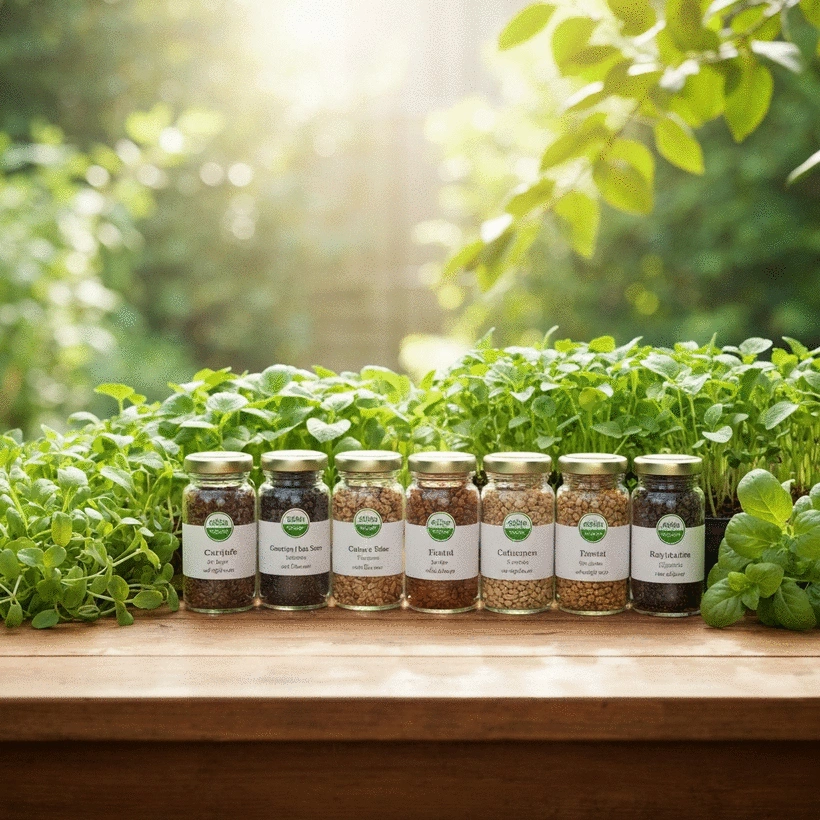
Choosing the right seeds is the first step towards a flourishing garden. Did you know that opting for certified organic seeds can significantly enhance the health of your plants and the environment? Let's dive into the essential insights that will transform your gardening journey!
What You Will Learn
- Certified organic seeds are grown without synthetic chemicals, promoting healthier plants.
- Choosing organic supports biodiversity, enhancing the ecosystem in your garden.
- Organic plants often yield produce that is more nutrient-dense and flavorful.
- Finding trusted vendors for organic seeds can ensure quality and sustainability.
Vendor Comparison and Organic Gardening Benefits
This visual highlights key differences between top organic seed vendors and the core advantages of choosing certified organic products.
Vendor Comparison: Johnny's vs. Baker Creek
Johnny's Selected Seeds
- ✓ Moderate Pricing
- ✓ Standard & Express Shipping
- ✓ Highly Rated Reviews
Baker Creek Heirloom Seeds
- ✓ Varies (often affordable)
- ✓ Standard Shipping
- ✓ Very Positive Reviews
Benefits of Certified Organic Seeds
- →Healthier, Nutrient-Dense Produce
- →Supports Sustainable Environmental Practices
- →Enhanced Flavor & Quality
- →Promotes Garden Biodiversity
What Makes Seeds Certified Organic?
- →No Synthetic Chemicals (Pesticides, Fertilizers)
- →Non-GMO (Genetically Modified Organisms)
- →Focus on Soil Health & Erosion Reduction
- →Support for Biodiversity & Ecosystems
Understanding the Importance of Certified Organic Seeds and Plants
As a passionate gardener, I truly believe that the foundation of any thriving garden starts with the right seeds and plants. This is where certified organic seeds and plants come into play, offering not only quality but also a commitment to sustainability. Understanding what makes these products special is crucial for any home grower or gardening enthusiast.
So, what exactly does it mean for seeds and plants to be certified organic? Essentially, this certification ensures that the seeds and plants have been grown without synthetic fertilizers, pesticides, or genetically modified organisms (GMOs). By choosing certified organic options, you’re supporting practices that are beneficial for both your garden and the environment! You can learn more about these regulations from the USDA's National Organic Program.
What Makes Seeds and Plants Certified Organic?
Certified organic seeds and plants are produced following specific guidelines set by various organic certification bodies. These guidelines include practices that encourage biodiversity, improve soil health, and protect ecosystems. When you opt for these products, you can be assured they meet rigorous standards and have been inspected regularly. The USDA explains that organic seeds are fundamental to starting an organic garden, as they are a cornerstone of the organic integrity of your crops.
- No Synthetic Chemicals: Grown without harmful pesticides or fertilizers.
- Non-GMO: Free from genetically modified organisms, maintaining natural genetics.
- Biodiversity Support: Often cultivated in a way that promotes diverse ecosystems.
- Soil Health Focus: Practices that enhance soil health and reduce erosion.
Choosing certified organic seeds means you’re making a conscious decision to support both your health and the planet. I remember the first time I planted organic seeds; not only did my garden thrive, but I also felt good about the impact I was making!
Benefits of Using Certified Organic Products in Your Garden
Now that we understand what certified organic seeds and plants entail, let’s explore the numerous benefits they bring to your garden. These advantages are not just limited to the plants themselves but extend to the overall gardening experience.
- Healthier Produce: Organic plants often yield fruits and vegetables that are more nutrient-dense and free from harmful residues.
- Environmental Impact: Supporting organic farming helps promote sustainable practices, which are vital for the health of our ecosystems.
- Flavor and Quality: Many gardeners report that organic produce has superior flavor and quality compared to conventionally grown options.
- Biodiversity Benefits: Organic gardening encourages a variety of species, creating a balanced ecosystem in your garden.
In my own gardening journey, I’ve noticed a remarkable difference in the taste of organic vegetables compared to those from non-organic sources. It truly enhances the joy of growing your own food!
Identifying Trusted Vendors for Certified Organic Seeds and Plants
Once you’ve decided to grow with certified organic products, the next step is finding reliable vendors. With so many options available, it can feel overwhelming. But don’t worry! I’m here to guide you toward some trusted sources.
Choosing the right vendor is just as important as selecting organic seeds. Look for vendors that provide transparency about their sourcing and practices. This not only ensures the quality of your seeds but also helps you feel good about your purchase!
Top Online Sources for Certified Organic Seeds
In today’s digital age, shopping for seeds online has never been easier. Here are some top online sources that I personally recommend for certified organic seeds:
- Johnny's Selected Seeds: Known for their high-quality organic seeds and extensive selection.
- Baker Creek Heirloom Seeds: Offers a vast array of heirloom and organic varieties, focusing on biodiversity.
These retailers not only provide quality products but also valuable resources and support for all types of gardeners. I’ve found their customer service to be exceptional, making my shopping experience enjoyable!
Highlighting Key Retailers: Johnny's Selected Seeds and Baker Creek
Both Johnny’s Selected Seeds and Baker Creek have earned their reputations as leading suppliers of organic seeds. Johnny’s, for instance, has a robust selection for both home and professional gardeners, while Baker Creek is famous for its heirloom varieties. Trust me, you can't go wrong with either of these options as you start your organic gardening journey!
Comparative Analysis: Pricing, Shipping, and Customer Reviews
When choosing between vendors, it’s essential to consider factors such as pricing, shipping options, and customer feedback. Here’s a quick comparison of Johnny's Selected Seeds and Baker Creek:
| Vendor | Average Pricing | Shipping Options | Customer Reviews |
|---|---|---|---|
| Johnny's Selected Seeds | Moderate | Standard and Express | Highly Rated |
| Baker Creek | Varies (often affordable) | Standard | Very Positive |
Both retailers offer competitive pricing and reliable shipping options. I often check customer reviews before placing an order, as they can provide insights into the quality and germination rates of seeds!
Frequently Asked Questions (FAQs)
- What are certified organic seeds? Certified organic seeds are seeds that have been grown without synthetic fertilizers, pesticides, or genetically modified organisms (GMOs), adhering to strict organic farming standards.
- Why should I choose organic seeds over conventional ones? Organic seeds promote healthier plants, support biodiversity, lead to more nutrient-dense and flavorful produce, and contribute to sustainable environmental practices.
- How can I identify trusted vendors for organic seeds? Look for vendors who are transparent about their sourcing and certification processes. Reputable online sources like Johnny's Selected Seeds and Baker Creek Heirloom Seeds, as well as local CSAs and farmers markets, are good places to start.
- Do organic seeds cost more? Pricing for organic seeds can vary. While some may be moderately priced, others, especially heirloom varieties, can be quite affordable. It's often an investment in healthier plants and a better environment.
- Are there resources available for new organic gardeners? Yes! Local cooperative extension services offer expert advice, workshops, and soil testing. Gardening blogs, online forums, and local farmers' markets are also excellent resources for tips and community engagement.
Regional Suppliers: Finding Local Organic Seed and Plant Vendors
If you prefer to shop locally, you’re in luck! There are plenty of regional suppliers that offer certified organic seeds and plants. Engaging with local businesses can also foster a sense of community, which I cherish in my gardening endeavors. Here are some tips on identifying local suppliers:
- Community-Supported Agriculture (CSA): Joining a CSA can connect you with local organic farms that offer seed shares.
- Farmers Markets: These markets often feature vendors who offer certified organic plants and seeds directly to consumers.
By sourcing locally, you not only support your community but also gain access to unique varieties that may not be available online. I love visiting my local farmers market; it’s a great way to discover new plants and meet other gardening enthusiasts!
Exploring Community-Supported Agriculture (CSA) Options
CSAs are fantastic for anyone looking to dive deeper into organic gardening. They provide a direct link to local farmers and can offer a variety of services, including seeds and plant starts. I’ve participated in a CSA before, and it was such a rewarding experience to watch my plants thrive while supporting local agriculture! For more detailed information on sourcing, you can refer to eOrganic's guide on sourcing certified organic seed.
Local Farmers Markets and Their Certified Offerings
Farmers markets are treasure troves for gardeners. Many vendors sell certified organic seeds and plants, often at competitive prices. Plus, the ability to speak directly with the growers can lead to invaluable tips and advice. I always leave with not only plants but also a wealth of knowledge!
Pro Tip
When selecting certified organic seeds, consider starting with heirloom varieties. These seeds not only offer a rich history and diverse genetics but often produce plants that are more resilient to local pests and diseases. Plus, they can bring unique flavors and colors to your garden, enhancing both your harvest and gardening experience!
Final Thoughts on Sourcing Certified Organic Seeds and Plants
As I've journeyed through my gardening experiences, I’ve come to appreciate the value of investing in quality organic products for our gardens. Not only do certified organic seeds and plants promote a healthier ecosystem, but they also ensure that we are nurturing our green spaces with the best possible practices. It’s reassuring to know that when we choose organic, we are supporting sustainable agriculture and the planet!
Incorporating these organic varieties into your garden can lead to vibrant, thriving plants that yield delicious produce and beautiful flowers. So, the next time you're planning your garden, remember that the seeds you choose can make a significant difference in both the health of your plants and the joy they bring to your gardening journey.
The Value of Investing in Quality Organic Products for Your Garden
- Healthier Plants: Organic seeds are less likely to be treated with harmful chemicals, resulting in stronger, healthier plants.
- Better Flavor: Many gardeners, including myself, find that organic produce often tastes better than conventionally grown varieties.
- Biodiversity: Organic gardening supports a wide range of plant varieties, which can enhance your garden's resilience.
- Environmental Benefits: Organic practices contribute to soil health and biodiversity, helping to sustain the environment for future generations.
When we invest in organic products, we’re not just contributing to our health but also to the overall well-being of our planet. It’s a fulfilling choice that connects us to the earth and all its wonders!
Resources for Organic Gardening
Discovering Local Cooperative Extension Services for Guidance
If you're new to organic gardening or just looking for some expert advice, local cooperative extension services can be a fantastic resource. They offer valuable guidance tailored to your specific region and can help you navigate everything from pest management to soil health. Connecting with these local experts has made a big difference in my gardening journey!
- Access to research-based information on organic practices
- Workshops and community events to learn from other gardeners
- Soil testing and analysis services to better understand your garden’s needs
These resources can empower you to make informed decisions that will benefit your garden and enhance your gardening skills!
Engaging with Gardening Blogs and Communities for Tips
Embracing the gardening community through blogs and online forums has been an enriching experience for me. Not only can you find a wealth of information, but also connect with fellow enthusiasts who share your passion! Engaging with these communities allows you to exchange tips, share successes, and learn from each other's gardening challenges.
- Follow gardening blogs like The Urban Gardener's Haven for expert insights and practical tips.
- Join online forums and social media groups focused on organic gardening for real-time discussions.
- Attend local gardening meetups to build connections and share resources.
By immersing yourself in these communities, you can cultivate a deeper appreciation for gardening while gaining invaluable knowledge along the way!
Take Action: Start Your Organic Gardening Journey Today
Join the Community of Organic Gardening Enthusiasts
There’s no better time to dive into organic gardening than now! Whether you’re a seasoned gardener or just starting, becoming part of the organic gardening community can inspire and motivate you to take the plunge. It’s a journey of learning, growth, and connection with nature that I cherish deeply!
- Participate in local gardening clubs and online forums.
- Share your progress and ask questions to continue learning.
- Encourage friends and family to join you in your gardening endeavors!
By taking action today, you'll not only enhance your own gardening experience, but you’ll also contribute to a larger movement towards sustainability and organic farming.
Resources and Links to Trusted Organic Seed Suppliers
To kickstart your organic gardening adventure, here are some trusted suppliers where you can find certified organic seeds and plants:
- Johnny's Selected Seeds – A reliable source with a wide variety of organic options.
- Baker Creek Heirloom Seeds – Specializing in rare and heirloom seeds.
- Local farmers markets – Check out your community for organic vendors.
These resources can help you find the seeds and plants that will thrive in your garden, ensuring a successful and rewarding organic growing experience!
Recap of Key Points
Here is a quick recap of the important points discussed in the article:
- Choose Certified Organic Seeds: Ensure seeds are grown without synthetic fertilizers, pesticides, or GMOs.
- Support Biodiversity: Opt for organic seeds that promote diverse ecosystems and improve soil health.
- Healthier Produce: Organic plants yield more nutrient-dense fruits and vegetables, enhancing flavor and quality.
- Find Trusted Vendors: Look for reputable online sources and local suppliers to ensure quality organic products.
- Engage with Community: Join local gardening clubs and online forums for support and knowledge sharing in your gardening journey.