Natural Pest Control for Gardens
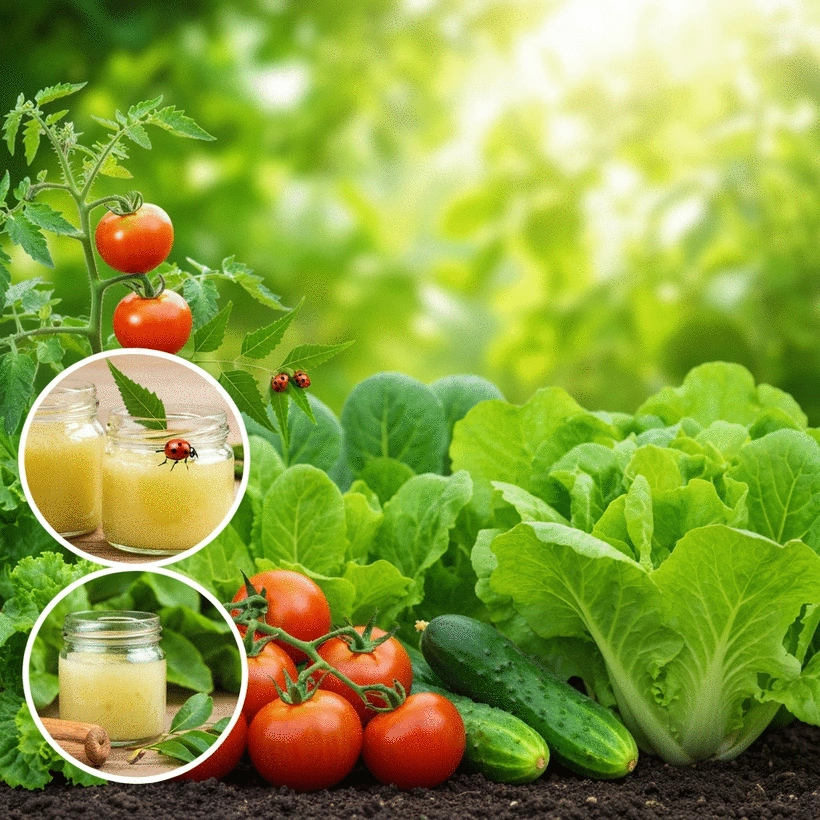
What if your garden could thrive not just through your efforts but by fostering a vibrant ecosystem? Embracing natural pest control techniques can transform your gardening experience, ensuring health for both your plants and the environment. Let’s explore what you’ll take away from this insightful journey into organic vegetable gardening!
What You Will Learn
- Choosing organic pest control methods protects your health and the environment by avoiding synthetic chemicals.
- Healthy soil is key to a thriving garden, promoting plant growth and supporting beneficial ecosystems.
- Identifying common pests early on can prevent significant damage to your vegetable garden.
- Beneficial insects, like ladybugs and praying mantises, can naturally control pest populations in your garden.
- Establishing habitats for beneficial insects enhances biodiversity and supports a balanced ecosystem.
- Regular monitoring and documentation of your garden help you adapt and refine your pest control strategies effectively.
Organic Pest Control: Key Success Factors
Understanding the core components of effective natural pest management is crucial for a thriving organic garden. This visual highlights the essential elements for success.
Why Choose Organic?
- ✓ Protects Health & Environment
- ✓ Fosters Healthy Soil & Ecosystems
- ✓ Avoids Synthetic Chemicals
Pest Identification & Allies
- ⚠ Recognize Infestation Signs
- ⚠ Know Common Pests (Aphids, Flea Beetles)
- ✓ Encourage Beneficial Insects (Ladybugs)
Ecosystem Health
- ✓ Preserve Beneficial Insects
- ✓ Enhance Soil Health & Nutrients
- ✓ Attract Pollinators (Wildflowers)
Monitoring & Adapting
- ● Regular Check-Ins
- ● Document Results
- ● Utilize Sticky Traps
Understanding Natural Pest Control for Organic Vegetable Gardens
In my journey as a gardening enthusiast, I’ve discovered that natural pest control techniques are essential for maintaining a healthy and thriving organic vegetable garden. Why? Because employing these methods not only protects our plants but also fosters a sustainable ecosystem right in our backyards. Let’s dive into some compelling reasons why choosing organic pest control is a wise decision!
Why Choose Organic Pest Control Techniques?
When we think about pest control, the choice often boils down to convenience versus health. By opting for organic techniques, we can avoid the harmful effects of synthetic chemicals that can linger in our soil and produce. Choosing these natural methods means we’re protecting our health as well as the environment.
The Importance of Avoiding Synthetic Chemicals
Synthetic chemicals may promise quick results, but they come with a cost. They can disrupt local ecosystems, harm beneficial insects, and even contaminate our food. Instead, using natural alternatives is a way to keep our gardens thriving while ensuring a safe harvest for our families. I remember the first time I replaced harsh pesticides with neem oil; it felt amazing to see my plants flourish without the worry!
Benefits of Healthy Soil and Ecosystems
Healthy soil is the foundation of a vibrant garden. When we implement organic pest control techniques, we nurture the soil's health. This not only promotes plant growth but also encourages a diverse ecosystem. A thriving environment filled with beneficial microorganisms ultimately leads to better pest resistance and increased crop yields. For further understanding of organic pest management, you can refer to resources from Utah State University Extension.
- Improved plant health and resilience
- Enhanced soil structure and nutrient content
- Support for local wildlife and pollinators
Identifying Common Vegetable Garden Pests
As we embrace organic gardening, it’s crucial to know what we’re up against. Identifying common vegetable garden pests early can save us a lot of trouble down the road. Let’s take a look at some signs of infestation and how we can spot these little critters.
Recognizing Signs of Infestation
Being vigilant is key in pest management. Look for signs such as discolored leaves, holes in foliage, and sticky residues on plants. These can indicate an underlying pest problem that needs to be addressed promptly. Regular checks can help us catch issues before they escalate! For smart and safe pest management strategies, consider insights from Oregon State University Extension.
Guide to Common Pests: Aphids, Flea Beetles, and More
Some of the most common culprits in vegetable gardens include:
- Aphids: Tiny and sap-sucking, they can weaken plants quickly.
- Flea Beetles: They create tiny holes in leaves and can devastate young plants.
- Whiteflies: These pests can cause yellowing leaves and stunted growth.
Understanding these pests and their behaviors helps in developing effective organic pest control strategies that fit our unique gardens!
Exploring Beneficial Insects in Your Garden
While some insects can wreak havoc, others are our allies! Beneficial insects play a vital role in controlling pest populations naturally. Let’s explore how we can encourage these helpful visitors in our gardens.
How Ladybugs and Praying Mantises Help Control Pests
Ladybugs and praying mantises are fantastic natural pest controllers. Ladybugs feast on aphids, while praying mantises consume a variety of garden pests. By attracting these beneficial insects, we can reduce our reliance on chemical interventions and nurture a balanced ecosystem. You can find more comprehensive information on organic pest control methods in the University of Georgia Extension's Organic Pest Management handbook.
Creating Habitats for Beneficial Insects
To invite these helpful bugs into our gardens, we can create habitats that support their needs. Try planting diverse flowering plants and providing shelter with native grasses or small brush piles. This not only attracts beneficial insects but also enhances the overall biodiversity of our garden!
- Plant native flowers to provide nectar and pollen.
- Incorporate different plant heights to create microhabitats.
- Limit pesticide use to protect beneficial populations.
We Want to Hear From You!
What natural pest control methods have you found most effective in your garden? Share your experiences and tips below:
Maintaining a Healthy Garden Ecosystem
Creating a vibrant garden goes beyond just planting seeds; it’s about nurturing an entire ecosystem. By embracing organic methods, we can positively impact our surroundings while ensuring our vegetable gardens thrive. This means understanding the balance between plants, pests, and beneficial organisms. Let’s dive into how we can maintain this delicate equilibrium!
Understanding the Ecological Impact of Organic Methods
When we choose organic techniques, we are actively preserving the health of our environment. This approach not only benefits our gardens but also contributes to the larger ecosystem. Here are a few key aspects to consider:
- Preserving Beneficial Insects: Fostering a habitat for good bugs is crucial. Ladybugs, lacewings, and bees are all essential players in your garden’s health.
- Enhancing Soil Health: Healthy soil encourages biodiversity and nutrient cycling. Regularly amend your garden with compost to keep it thriving!
- Utilizing Wildflower Gardens: Incorporating wildflowers can attract vital pollinators, improving your crop yields while adding beauty to your garden.
These practices not only support your garden but also enhance the surrounding environment. By choosing organic, you're making a positive impact that extends beyond your plot of land.
Preserving Beneficial Insects Through Careful Practices
To preserve the allies in your garden, it’s essential to create a welcoming environment. Avoid broad-spectrum pesticides, and instead, focus on attracting beneficial insects through diverse planting. Consider including flowering plants such as marigolds and dill, which can provide much-needed nectar and pollen!
Additionally, leaving some areas of your garden a bit wild can help maintain habitats for these helpful critters. Remember, a balanced garden ecosystem fosters resilience against pests! What steps will you take to support beneficial insects in your garden?
Enhancing Soil Health and Nutrient Cycling
Your garden’s soil is its lifeblood. Healthy soil supports vibrant plant growth and helps retain moisture. To enhance your soil, consider these practices:
- Add organic matter such as compost or aged manure to improve soil structure.
- Rotate your crops each season to prevent nutrient depletion and reduce pest buildup.
- Practice cover cropping during off-seasons to protect and enrich the soil.
By nurturing your soil, you’re not only supporting your plants' growth but also promoting a self-sustaining ecosystem. It’s a win-win!
Utilizing Wildflower Gardens to Attract Pollinators
Creating a wildflower garden can be a simple yet effective way to attract pollinators. These beautiful blooms provide essential food sources for bees, butterflies, and other pollinators that help our vegetables thrive. I’ve seen a noticeable increase in my garden’s productivity since I added a small wildflower patch. Here’s how to get started:
- Choose native flowers that are well-suited to your climate.
- Plant in clusters to create a more enticing environment for pollinators.
- Avoid pesticides that could harm these vital insects.
Creating a diverse environment will not only beautify your space but also enhance its productivity! Have you considered adding wildflowers to your garden? It’s a delightful way to boost biodiversity!
Taking Action for Your Organic Vegetable Garden
Now that we’ve explored the importance of maintaining a healthy ecosystem, it’s time to take action! Regular monitoring and adapting our practices is essential for ongoing success. Let’s look at how we can implement these strategies effectively!
Monitoring and Adapting Your Pest Control Approaches
Staying engaged with your garden allows you to notice changes and address issues promptly. Here’s how to keep your garden healthy:
- Regular Check-Ins: Schedule time each week to inspect your plants for signs of pests or disease.
- Documenting Results: Keep a garden journal to track what works and what doesn’t. This will prove invaluable in future seasons!
- Utilizing Sticky Traps: These are a great way to monitor pest populations without using chemicals. Place them around your garden to catch unwelcome visitors!
With consistent monitoring, you can remain proactive rather than reactive. Your garden will thank you for it!
Regular Check-Ins: Keeping Your Garden Healthy
Make it a habit to inspect your plants regularly. Check for any signs of stress or pest activity. Early detection often leads to much easier solutions. Share your findings with fellow gardeners; you might find they have valuable insights from their own experiences!
Documenting Results for Future Reference
Keeping track of your gardening journey is both rewarding and informative. By documenting your experiences, you can pinpoint successful methods and identify areas for improvement. I love flipping through my garden journal and seeing how far I’ve come!
Utilizing Sticky Traps for Effective Pest Monitoring
Sticky traps are a fantastic and non-intrusive way to keep tabs on pest populations. By placing these traps strategically in your garden, you’ll not only catch pests but also gather data on their activity. This information can help you refine your pest control strategies!
Encouraging Sustainable Practices in Your Gardening Community
As gardeners, we have a wonderful opportunity to share our knowledge and promote sustainable practices within our communities. Let’s explore ways to foster this spirit!
Sharing Knowledge and Techniques with Fellow Gardeners
Don’t hesitate to share your successes and challenges with others! Whether it’s through gardening clubs, local workshops, or casual conversations, your insights can inspire fellow gardeners. Together, we can cultivate a community that embraces organic practices!
Promoting Organic Methods in Local Gardening Groups
Consider organizing events or discussions within your local gardening groups. You could host a workshop on homemade pest control solutions or share tips on creating a healthy garden ecosystem. It’s a great way to build connections and spread sustainable gardening practices!
Final Thoughts and Resources for Organic Pest Control
As we wrap up our exploration of organic pest control, remember that nurturing a healthy garden ecosystem is an ongoing journey. By implementing these strategies, you’ll be well on your way to creating a flourishing space!
Recommended Products and Safety Tips
When using organic pest control methods, always read labels carefully and follow safety precautions. Here are some essential guidelines:
- How to Read Labels: Look for clear instructions about application rates and safety.
- Follow Instructions Safely: Adhere to recommendations to protect yourself and your plants.
By taking the time to ensure safety and efficacy, you’ll set yourself up for gardening success. Happy growing!
Links to Further Reading and Resources for Organic Gardening
For more insights on organic gardening practices, I recommend exploring resources such as gardening books, online forums, and local extension services. These can provide you with additional information to enhance your gardening journey!
Frequently Asked Questions (FAQs)
- Q: Why should I choose organic pest control methods?
- A: Organic pest control protects your health and the environment by avoiding synthetic chemicals, fostering healthy soil, and supporting beneficial ecosystems.
- Q: How can I identify common garden pests early?
- A: Look for signs such as discolored leaves, holes in foliage, or sticky residues on your plants. Regular check-ins are key to early detection.
- Q: What are beneficial insects, and how do they help my garden?
- A: Beneficial insects like ladybugs and praying mantises naturally control pest populations. Ladybugs eat aphids, and praying mantises consume various garden pests, reducing the need for chemical interventions.
- Q: How can I attract beneficial insects to my garden?
- A: Create habitats by planting diverse flowering plants, providing shelter with native grasses, and limiting pesticide use. Incorporating wildflowers can also attract pollinators and beneficial insects.
- Q: What is the role of healthy soil in organic pest control?
- A: Healthy soil is the foundation of a vibrant garden. It promotes strong plant growth, enhances pest resistance, and supports a diverse ecosystem of beneficial microorganisms. Amending soil with compost and practicing crop rotation are good ways to maintain soil health.
- Q: How important is monitoring in organic pest control?
- A: Regular monitoring is crucial for identifying pest issues early and adapting your strategies effectively. Using sticky traps and keeping a garden journal can help track pest activity and document results.
Recap of Key Points
Here is a quick recap of the important points discussed in the article:
- Opt for organic pest control techniques to protect both your health and the environment.
- Healthy soil is crucial for a thriving garden, enhancing plant growth and pest resistance.
- Identify common garden pests early to prevent infestations and damage.
- Encourage beneficial insects by creating habitats with diverse flowering plants.
- Regularly monitor your garden to adapt pest control strategies effectively.