Microgardening for Small Spaces
As urban spaces become more crowded, the potential for food production is often overshadowed by concrete. Microgardening not only allows us to reclaim our connection to nature but also transforms limited areas into thriving green spaces. Here's what you'll uncover about the art of growing sustainably in small places.
What You Will Learn
- Microgardening techniques maximize limited spaces by utilizing containers, vertical setups, and hydroponics.
- Embracing sustainable practices through microgardening reduces reliance on store-bought produce and minimizes carbon footprints.
- Growing your own food enhances food security, providing fresher produce and resilience against supply chain disruptions.
- Community engagement through sharing gardening experiences fosters connections and support networks among urban gardeners.
Microgardening Techniques & Benefits
Microgardening is a versatile approach to growing plants in limited spaces, offering numerous benefits for urban dwellers. Below, we highlight key techniques and the positive impacts this practice brings.
Techniques Spotlight:
Optimizing Limited Space
Impacts:
Sustainability & Food Security
- ✓Reduces Carbon Footprint
- ✓Enhances Food Access
- ✓Minimizes Supply Chain Disruptions
Benefits:
Community Engagement
- ★Strengthens Neighborhood Ties
- ★Fosters Shared Learning
- ★Creates Educational Opportunities
Understanding Microgardening Techniques for Limited Spaces
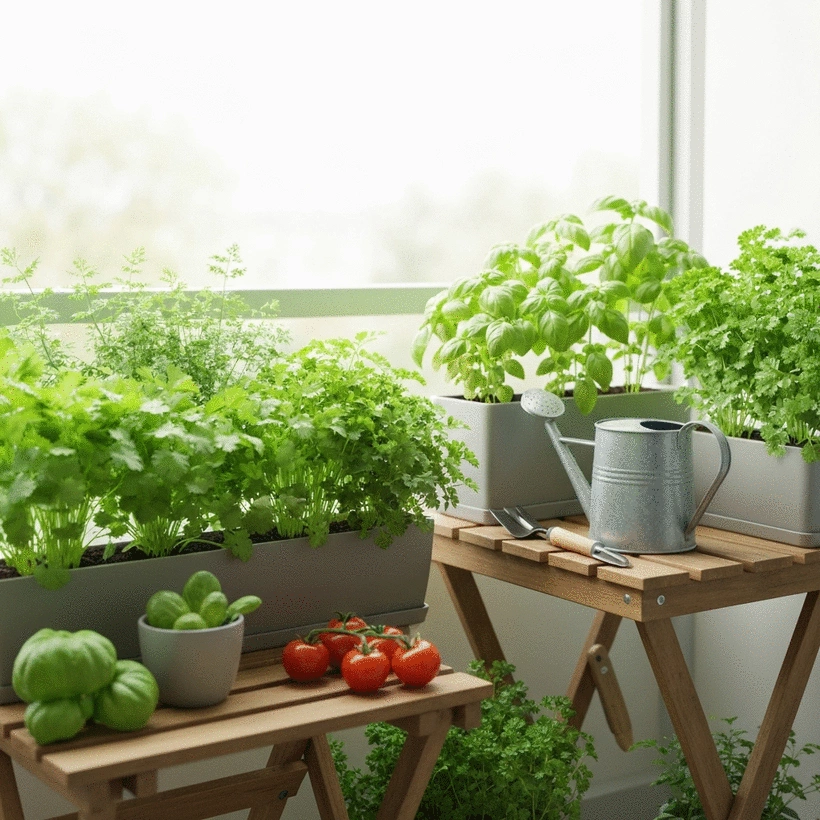
As I journey through my own small urban garden, I've come to appreciate the true value of microgardening. This innovative approach allows us to cultivate our own food and greenery, even in the tiniest of spaces! Whether you have a balcony, a sunny windowsill, or just a small patch of soil, microgardening empowers you to grow fresh produce right at home.
Microgardening isn't just about squeezing plants into small areas; it's a thoughtful method that encourages sustainable practices while maximizing the use of available resources. This can include anything from repurposing old containers to utilizing vertical space effectively, all while using minimal water and soil. The beauty of microgardening lies in its accessibility—it's for everyone, from novice gardeners to seasoned pros!
Defining Microgardening: A New Approach to Urban Agriculture
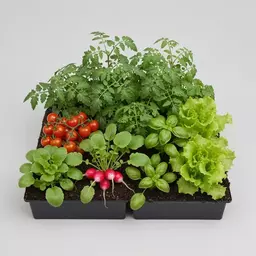
Microgardening is a term that embodies a variety of techniques designed to optimize limited space for growing plants. It often focuses on small-scale gardening practices that can be easily managed and maintained. The beauty of this approach is in its simplicity; you can create lush gardens in containers or vertical setups that not only look lovely but also provide nourishing food.
- Container Gardening: Utilize pots, buckets, or any containers you have on hand.
- Vertical Gardening: Grow upwards with wall-mounted planters or trellises.
- Hydroponics: Explore soil-less growing methods for space efficiency.
Each of these techniques reflects how we can adapt our gardening practices to fit urban living, and it’s truly rewarding to see the results flourish, even in the smallest of spaces!
Why Microgardening Matters for Food Security and Sustainability
Microgardening plays a vital role in addressing some of the pressing issues of our time, like food security and sustainability. As urban areas grow, access to fresh produce can become limited. By adopting microgardening, we can reclaim our connection to food production and take control of what we eat.
- Promotes Sustainable Practices: Reduces reliance on store-bought produce, minimizing carbon footprints.
- Enhances Food Security: Growing your own food means fresher produce and less vulnerability to supply chain disruptions.
- Encourages Community Engagement: Sharing seeds, plants, and tips fosters a sense of community among urban gardeners.
At The Urban Gardener's Haven, I believe that every little effort counts in creating a more sustainable future. By embracing microgardening, we not only enhance our own spaces but also contribute to a healthier planet. Research from institutions like the LSU AgCenter emphasizes the significant impact of urban horticulture on community well-being and environmental sustainability.
Pro Tip
Did you know that companion planting can greatly enhance your microgardening success? By planting certain plants together, you can naturally deter pests, improve growth, and maximize space. For instance, pairing tomatoes with basil not only helps improve flavor but can also repel harmful insects. Consider experimenting with companion plants to boost your garden's productivity!
Frequently Asked Questions About Microgardening
Q1: What exactly is microgardening?
A1: Microgardening is a method of growing plants in limited spaces, typically using techniques like container gardening, vertical gardening, and hydroponics. It's ideal for urban dwellers with small balconies, windowsills, or patios.
Q2: How does microgardening contribute to sustainability?
A2: Microgardening promotes sustainability by reducing reliance on store-bought produce, which in turn minimizes transportation-related carbon footprints. It also encourages resource-efficient practices like minimal water and soil usage.
Q3: Can microgardening really improve food security?
A3: Yes, by growing your own food, microgardening enhances individual and community food security. It provides access to fresh, healthy produce, reducing vulnerability to supply chain disruptions and making nutritious food more accessible.
Q4: What are the benefits of community engagement in microgardening?
A4: Community engagement in microgardening fosters stronger neighborhood ties, encourages shared learning and support networks, and creates educational opportunities. Sharing tips, seeds, and experiences can make gardening more enjoyable and successful.
Q5: What are some effective microgardening techniques?
A5: Effective techniques include container gardening (using pots, buckets), vertical gardening (wall-mounted planters, trellises), and hydroponics (soil-less growing). These methods optimize space and resources in urban environments.
Building a Sustainable Future Through Microgardening
Microgardening is more than just a method of growing plants in tiny spaces; it’s a movement towards a more sustainable future. At The Urban Gardener's Haven, we believe that every seed planted is a step toward building a resilient community. By connecting with fellow gardeners and sharing resources, we can make a significant impact on our urban environments. It’s exciting to think about how our small efforts can lead to big changes!
Embracing microgardening allows individuals to grow their own food, which is a crucial part of fostering food security. As we navigate through these unpredictable times, knowing how to produce our own nutritious meals can inspire hope and self-sufficiency. The role of urban agriculture in bolstering local food systems and community resilience is further explored in detailed studies, such as those found in Frontiers in Sustainable Food Systems.
Connecting with the Community: Sharing Your Microgardening Journey
One of the joys of gardening is sharing experiences, tips, and successes with others! At The Urban Gardener's Haven, we encourage our readers to document their gardening journeys. Here are some ways to connect with the community:
- Join local gardening clubs or online forums to exchange tips and tricks.
- Share your gardening photos on social media with hashtags to inspire others.
- Host a garden tour or open house to showcase your microgardening setup.
- Start a blog or journal to record your gardening milestones and challenges.
Connecting with others not only makes gardening more enjoyable but also builds a support network that can help you overcome challenges.
Encouraging Food Security Through Urban Gardening Initiatives
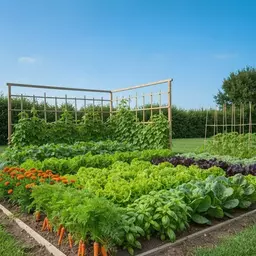
Urban gardening initiatives play a vital role in enhancing food security. By transforming unused spaces into productive gardens, we can provide fresh produce to communities lacking access to healthy food options. Here are a few initiatives to consider:
- Participating in community gardens that promote shared growing spaces.
- Advocating for policies that support urban agriculture and local farming.
- Collaborating with schools to create educational gardens that teach children about food production.
By supporting these efforts, we can collectively improve food access and promote healthier lifestyles in our urban settings. The broader implications of urban agriculture for human health and environmental sustainability are extensively reviewed in publications like the Annual Review of Food Science and Technology.
Exploring Community Gardening Benefits for Urban Areas
Community gardening offers numerous benefits that extend beyond just food production. Not only do these gardens provide fresh fruits and vegetables, but they also foster community connections and promote sustainability. The key benefits include:
- Strengthening neighborhood ties as people work together towards a common goal.
- Reducing carbon footprints by encouraging local food production.
- Enhancing urban landscapes with green spaces that improve air quality.
- Providing educational opportunities for all ages about gardening and nutrition.
At The Urban Gardener's Haven, we see community gardening as a way to encourage collaboration and creativity, making our urban spaces more vibrant and sustainable!
Recap of Key Points
Here is a quick recap of the important points discussed in the article:
- Microgardening Techniques: Utilize container gardening, vertical gardening, and hydroponics to maximize limited spaces.
- Food Security and Sustainability: Microgardening helps reduce reliance on store-bought produce and enhances food security by providing fresh, home-grown food.
- Community Engagement: Sharing gardening experiences and resources fosters a sense of community and encourages collaboration among urban gardeners.
- Participate in Initiatives: Engage in community gardening, advocate for urban agriculture, and collaborate with schools to enhance food access in local communities.
- Benefits of Community Gardening: Strengthens neighborhood ties, reduces carbon footprints, enhances urban landscapes, and provides educational opportunities.