Compact Veggies and Herbs for Gardens
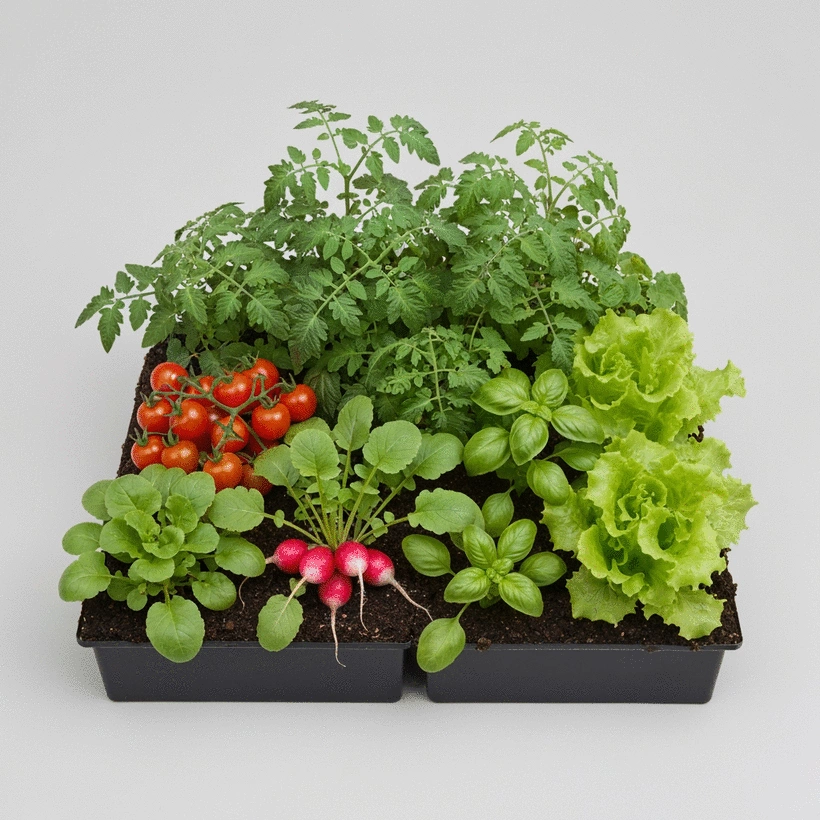
As you embark on your small-space gardening journey, consider this: a mere balcony can transform into a lush urban oasis with the right techniques. The potential for beauty and bounty is within your grasp, waiting for you to cultivate it!
What You Will Learn
- Compact vegetables and herbs are ideal for small spaces, maximizing yield without sacrificing variety.
- Container gardening offers mobility and soil control, making it easier to cultivate plants in urban settings.
- A high-quality soil mix promotes healthy plant growth, combining potting soil with organic compost.
- Establishing a consistent watering schedule is crucial, as container plants often require more frequent attention.
- Utilizing integrated pest management techniques helps maintain a healthy garden ecosystem without chemicals.
- Intercropping and succession planting techniques optimize space and ensure continuous harvests.
- Engaging with local gardening communities can provide invaluable support and inspiration for your gardening journey.
Effective Gardening Practices for Small Spaces
Cultivating a thriving garden in limited spaces requires understanding key practices. Below are essential techniques for maximizing your small urban garden's potential.
Soil Mix Formulations for Healthy Growth
Achieving robust plant health starts with the right soil. A quality mix ensures proper drainage, aeration, and nutrient absorption.
- Potting soil base for drainage.
- Organic compost for nutrient enrichment.
- Perlite/vermiculite for improved aeration.
Watering Schedules Tailored for Container Plants
Container plants dry out faster than in-ground plants, necessitating a consistent watering routine for optimal health.
- Check soil moisture an inch down.
- Water early morning or late afternoon.
- Consider self-watering containers.
Using Fertilizers for Optimal Growth
Organic fertilizers provide essential nutrients, encouraging stronger growth and better yields for your vegetables and herbs.
- Choose organic options (fish emulsion).
- Apply every 4-6 weeks during growing season.
- Avoid over-fertilization.
Integrated Pest Management for Compact Gardens
Holistic pest management protects plants while fostering a healthy garden ecosystem, crucial for small spaces.
- Regularly inspect for early signs.
- Encourage beneficial insects.
- Use natural deterrents when necessary.
Utilizing Intercropping and Succession Planting
Maximize space and ensure continuous harvest through strategic planting techniques, even in a small area.
- Intercrop fast with slow-growing plants.
- Sow new seeds every few weeks for steady harvest.
- Utilize vertical space with climbing plants.
Exploring Companion Planting for Enhanced Growth
Strategic plant pairings naturally deter pests, improve soil, and enhance flavor, creating a harmonious garden.
- Basil with tomatoes (flavor, pest deterrent).
- Marigolds near vegetables (repel insects).
- Beans with corn (improve nitrogen).
Understanding the Essentials of Small-Space Gardening
As the proud owner of The Urban Gardener's Haven, I’ve seen how small spaces can yield beautiful and productive gardens. If you're working with a limited area, understanding the essentials of small-space gardening is key to successfully nurturing your green oasis. Whether you're in a bustling city or a cozy suburban home, the right choices can turn a tiny balcony or a modest backyard into a lush retreat!
So why choose compact vegetables and herbs? The answer is simple: they are specifically bred for smaller spaces, allowing you to maximize your yield without compromising on variety or flavor. Compact plants not only fit perfectly into containers but also add visual interest and vibrancy to your urban garden. Let's dive deeper into how you can cultivate your green thumb in a limited area!
Why Choose Compact Vegetables and Herbs for Limited Spaces?
Compact vegetables and herbs are designed to thrive in confined areas, making them ideal for urban gardeners. These plants allow you to grow a diverse range of produce and herbs, even if you only have a small patio or balcony. For insights into selecting appropriate varieties, the KidsGardening.org compact vegetable guide offers excellent suggestions. Some advantages of selecting these varieties include:
- Space Efficiency: Compact plants fit neatly into pots or small garden beds, optimizing every inch.
- Accessibility: Easier to tend to, compact plants reduce the need for extensive bending or stretching.
- Diversity: You can grow various types of vegetables and herbs, enhancing your culinary experiences!
By choosing compact options, you can enjoy the fruits of your labor without needing an expansive garden space. It’s all about making the most of what you have!
Benefits of Container Gardening for Urban Dwellers
Container gardening is a fantastic solution for those like us, living in urban environments. It allows for flexibility and creativity, enabling you to cultivate a productive garden in non-traditional spaces. For a deeper dive into growing vegetables and herbs in containers, check out this podcast from the University of Florida IFAS Extension. Here are some benefits of container gardening that I've found to be incredibly useful:
- Mobility: You can move containers around to find the best light conditions or rearrange your garden layout as needed.
- Soil Control: Using high-quality potting mix gives you control over the nutrients your plants receive.
- Reduced Weeds: Containers help minimize weed growth, making it easier to maintain your garden.
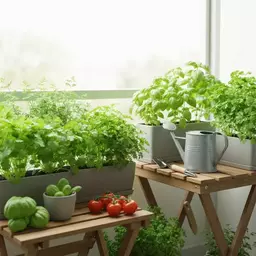
With container gardening, you can create a flourishing haven right in the heart of the city! Imagine sipping tea on your balcony surrounded by fragrant herbs and vibrant vegetables—it's an experience I cherish!
Identifying the Ideal Compact Vegetables for Small Gardens
Now that we've covered the essentials, let’s explore the ideal compact vegetables for your small garden. Choosing the right varieties can significantly impact your gardening success! For a comprehensive ranking of vegetable and herb crops by difficulty, the Clemson University Home & Garden Information Center provides valuable guidance.
Pro Tip
When planning your small-space garden, consider using vertical gardening techniques. This not only maximizes your limited space but also adds stunning visual layers to your garden. You can easily transform wall-mounted planters into a cascade of herbs and flowers, ensuring that even the smallest areas can burst with life and color!
Effective Practices for Container and Small-Space Gardening
Creating a thriving garden in limited spaces starts with understanding a few effective practices. As someone who has spent years cultivating my small urban garden, I've found that the right techniques can make all the difference in growing healthy vegetables and herbs. Let’s dive into the essentials that will help you make the most out of your garden, no matter how compact it may be!
- Choosing the right soil mix
- Establishing a consistent watering schedule
- Incorporating fertilizers effectively
Soil Mix Formulations for Healthy Growth
When it comes to container gardening, soil quality is paramount. A good soil mix promotes root health and nutrient absorption, which are vital for your plants’ success. I recommend combining high-quality potting soil with organic compost to create a rich and fertile environment for your plants.
- Use a base of potting soil for good drainage.
- Add organic compost for nutrients and beneficial microorganisms.
- Incorporate perlite or vermiculite to improve aeration.
This mix not only retains moisture but also provides essential nutrients, making it ideal for both vegetables and herbs. If you're looking to enrich your soil even further, consider adding well-rotted manure or worm castings. I’ve noticed a significant difference in my plants’ growth and overall health when I enriched my soil with these organic options!
Watering Schedules Tailored for Container Plants
One of the most challenging aspects of small-space gardening is understanding your plants’ watering needs. Container plants often require more frequent watering than those grown in the ground, as they can dry out quickly. Here are some tips to establish a consistent watering schedule:
- Check the moisture level by sticking your finger into the soil—if it feels dry an inch down, it’s time to water.
- Water early in the morning or late in the afternoon to minimize evaporation.
- Consider using self-watering containers to help maintain moisture levels.
By monitoring your plants and adjusting your watering routine, you’ll keep them healthy and thriving throughout the growing season. I often find that a little extra attention to watering goes a long way in my urban garden!
Using Fertilizers for Optimal Growth of Vegetables and Herbs
Fertilization is another critical component to consider for your small-space garden. Using organic fertilizers can provide your plants with the nutrients they need to flourish. I’ve had great success with various types of fertilizers—here’s how to make the most of them:
- Choose organic options such as fish emulsion or seaweed extract for a nutrient boost.
- Apply fertilizers every 4-6 weeks during the growing season to support plant growth.
- Be cautious not to over-fertilize, as this can harm your plants.
By feeding your plants with care, you will encourage stronger growth and better yields. It’s always exciting to see the fruits of your labor, and a well-fertilized garden is more likely to reward you with delicious harvests!
Building a Thriving Small Herb and Vegetable Garden
With the right practices in place, let’s explore how to build a thriving garden that not only looks beautiful but also provides you with fresh produce. I believe that every small space has the potential to be a vibrant oasis filled with herbs and vegetables!
- Implementing integrated pest management techniques
- Utilizing intercropping and succession planting
- Exploring companion planting for enhanced growth
Integrated Pest Management for Compact Gardens
Managing pests is crucial in maintaining a healthy garden. I’ve found that using integrated pest management (IPM) techniques is effective for keeping unwanted critters at bay without harming beneficial insects. Here are some strategies I use:
- Regularly inspect your plants for early signs of pests.
- Encourage beneficial insects like ladybugs and lacewings.
- Use natural deterrents like neem oil or insecticidal soap when necessary.
This holistic approach not only helps manage pests but also fosters a healthier ecosystem in your garden. I’ve seen a remarkable improvement in my plants' resilience when I incorporate these methods into my routine!
Utilizing Intercropping and Succession Planting Techniques
To maximize your growing space, consider using intercropping and succession planting techniques. These methods allow for continuous production and better utilization of available space. Here’s how you can implement them:
- Intercrop fast-growing plants, like radishes, with slower-growing crops, such as carrots.
- Practice succession planting by sowing new seeds every few weeks to ensure a steady harvest.
- Utilize vertical space by planting climbing plants alongside bush varieties.
By following these techniques, I’ve managed to keep my garden productive and vibrant throughout the season. It’s a rewarding feeling to harvest fresh produce regularly!
Exploring Companion Planting for Enhanced Growth
Companion planting is another fantastic technique to enhance growth and deter pests naturally. Pairing certain plants can create a more harmonious garden ecosystem. Here are some popular companion plants that I've found beneficial:
- Plant basil alongside tomatoes to enhance flavor and deter pests.
- Grow marigolds near vegetables to repel harmful insects.
- Combine beans with corn to improve nitrogen levels in the soil.
These strategic pairings not only promote better growth but also create a visually appealing garden. I love how companion planting adds layers of beauty and productivity to my small garden!
Frequently Asked Questions About Small-Space Gardening
Here are some common questions to help you further with your small-space gardening endeavors:
- Q: What types of plants are best for small-space gardening?
- A: Compact vegetables and herbs are ideal, as they are bred to thrive in confined areas, maximizing yield without requiring extensive space. Examples include bush varieties of beans, cherry tomatoes, radishes, and various herbs.
- Q: What are the main benefits of container gardening?
- A: Container gardening offers mobility, allowing you to move plants for optimal light, and provides complete control over soil quality. It also significantly reduces weed growth, making maintenance easier.
- Q: How often should I water container plants?
- A: Container plants typically dry out faster than in-ground plants. Check the soil moisture by inserting your finger about an inch deep; if it feels dry, it's time to water. Watering in the early morning or late afternoon is recommended to minimize evaporation.
- Q: What is integrated pest management (IPM) in a small garden?
- A: IPM involves a holistic approach to pest control without harsh chemicals. This includes regular inspection for pests, encouraging beneficial insects like ladybugs, and using natural deterrents such as neem oil when necessary, fostering a healthy garden ecosystem.
- Q: How can intercropping and succession planting help maximize my small garden space?
- A: Intercropping involves planting fast-growing crops alongside slower-growing ones to utilize space efficiently. Succession planting means sowing new seeds every few weeks to ensure a continuous harvest throughout the growing season. Both techniques help maximize yield in limited areas.
Encouragement to Start Your Small-Space Gardening Journey
As we wrap up this section, I want to encourage you to embark on your small-space gardening journey. There’s nothing quite like the joy of nurturing plants and watching them thrive!
- Engage regularly with your garden for ongoing care.
- Share your successes and challenges with fellow gardeners.
- Join local gardening groups for shared knowledge and community support.
Engaging with Your Garden: Tips for Ongoing Care
Engagement is key to a successful gardening experience. Regularly tending to your plants not only helps them grow but also deepens your connection to nature. I often find myself spending quiet moments in my garden, absorbing the beauty and tranquility it brings.
Inviting Community and Sharing Success Stories
Don't hesitate to share your gardening adventures! Connecting with others who share your passion can provide valuable support and inspiration. I’ve met some wonderful fellow gardeners through social media and local events, and their stories have motivated me to try new techniques in my own garden.
Joining Local Gardening Groups for Shared Knowledge and Support
Lastly, consider joining local gardening groups or online communities. These spaces are filled with individuals eager to share their experiences and knowledge. By participating, you’ll not only enhance your skills but also find a supportive network that celebrates the joys of gardening. Let's cultivate our gardens together—one plant at a time!
Visual Learning Aids for Better Understanding
To further support your gardening journey, incorporating visual learning aids can be a game changer. Here are some resources you might find helpful:
- Container layout diagrams for optimal planting.
- Videos demonstrating vertical gardening techniques.
- Illustrated guides for identifying compact vegetable varieties.
These tools can make gardening more accessible and enjoyable, providing practical insights to enhance your skills! Remember, every small step you take can lead to a flourishing garden. What will you cultivate today?
Recap of Key Points
Here is a quick recap of the important points discussed in the article:
- Choose compact vegetables and herbs to maximize yield in small spaces.
- Container gardening offers flexibility, soil control, and reduced weed growth.
- Use a high-quality soil mix, establish a consistent watering schedule, and apply fertilizers effectively for optimal plant health.
- Implement integrated pest management and consider companion planting to enhance growth and deter pests.
- Engage regularly with your garden and connect with local gardening communities for support and inspiration.