Container Gardening for Small Spaces
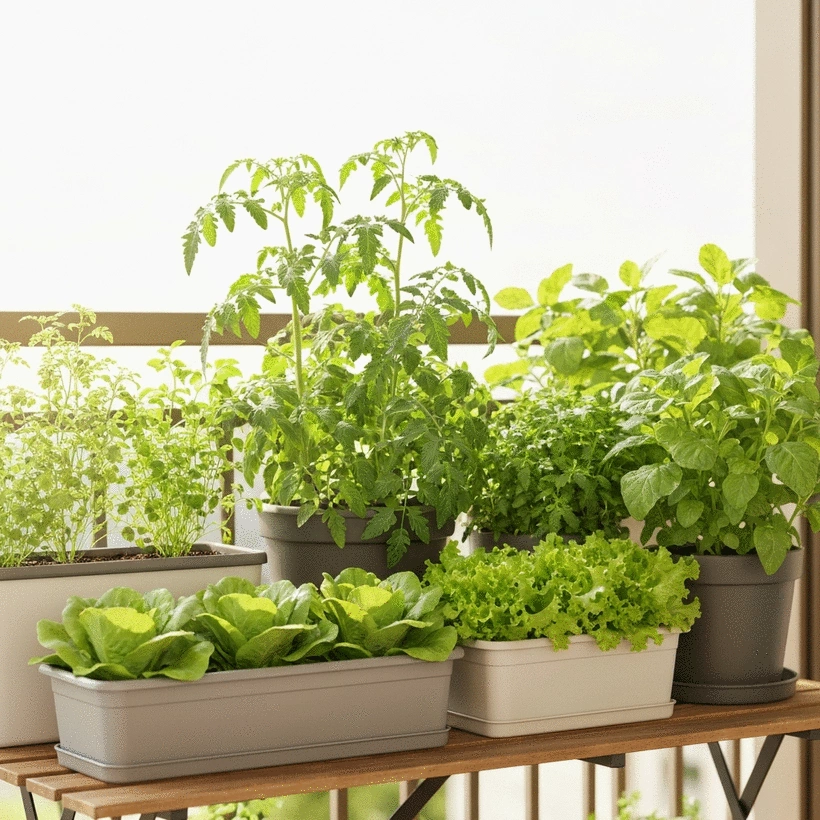
What if I told you that you could grow your own organic vegetables even if you live in a tiny apartment? Small-space organic vegetable gardening is not just possible; it's rewarding and enjoyable. In this guide, you'll uncover essential strategies for making the most of limited space while growing fresh produce.
What You Will Learn
- Container gardening provides flexibility to grow vegetables in various locations, including balconies and patios.
- Choosing the right containers based on plant size and material is crucial for success in small-space gardening.
- Adopting organic practices promotes healthy plant growth and supports environmental sustainability.
- Creating a seasonal planting calendar can significantly enhance your garden's productivity.
- Adjusting care routines with the changing seasons helps optimize plant health and yields.
- Proper drainage in containers is vital to prevent root rot and ensure robust plant growth.
Container Gardening: Optimal Depth for Various Vegetables
Selecting the right container size is crucial for healthy plant growth. Below is a guide to recommended container depths for different types of vegetables, ensuring their root systems have ample space to thrive.
Small Herbs
(at least depth)
Ideal for plants with shallow root systems, ensuring proper nutrient uptake.
Leafy Greens
(deep for root development)
Allows sufficient space for healthy root growth and consistent moisture.
Tomatoes & Peppers
(ideal for robust roots)
Supports extensive root systems needed for larger, fruit-bearing plants.
Drainage Importance
(Essential for all containers)
Prevents root rot and ensures healthy soil conditions for all plants.
Understanding Small-Space Organic Vegetable Gardening
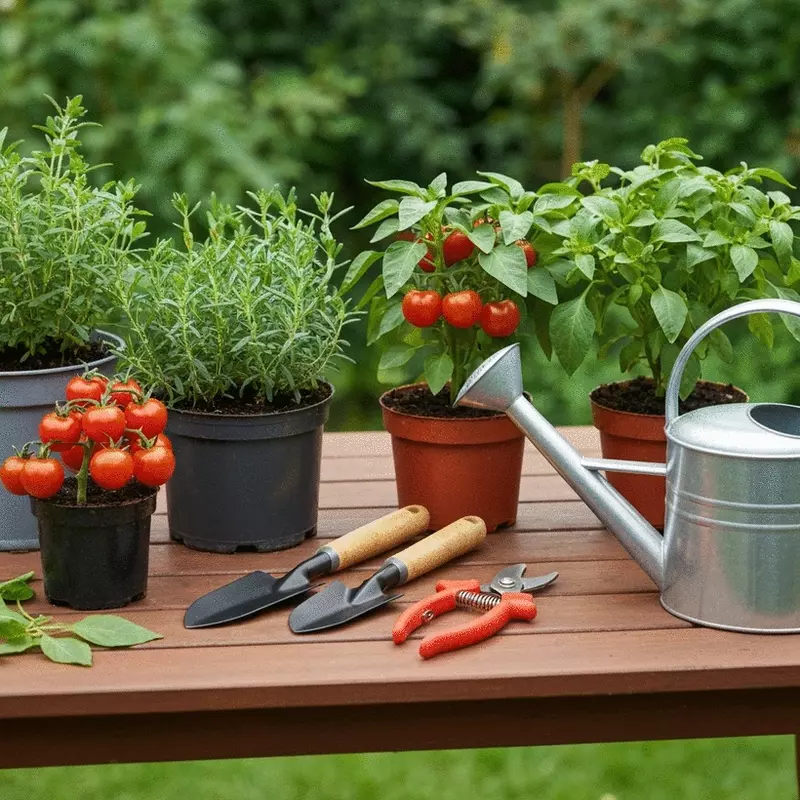
As an avid gardener, I truly believe that even the smallest spaces can yield bountiful harvests. Small-space organic vegetable gardening is not just a trend—it’s a fulfilling way to cultivate fresh produce right from your home. Container gardening, in particular, is a fantastic solution that offers flexibility, accessibility, and efficient use of space.
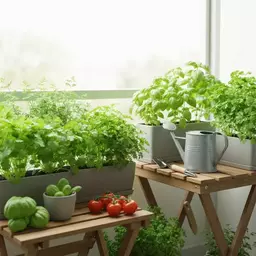
With container gardening, you can grow your favorite vegetables on balconies, patios, or even indoors. This method allows you to control your plants’ environment, making it easier to manage their growth. Plus, you can easily move your containers around to catch the sun or protect them from harsh weather conditions. Have you ever thought about how much you could grow in just a few pots?
Why Choose Container Gardening for Limited Spaces?
- Flexibility: You can select containers that fit your space and style, whether it's a rustic wooden box or a modern ceramic pot.
- Accessibility: Container gardening is perfect for those with mobility issues since you can place pots at a comfortable height.
- Efficient use of space: Grouping containers can create a vibrant garden even in tight areas.
Another great advantage is that container gardening allows for experimentation! You can try different plants, soil types, and even organic fertilizers without making a long-term commitment to a single spot in your garden. It’s all about finding what works best for you and your space.
Key Principles of Organic Gardening in Containers
When it comes to organic gardening, the principles remain the same, regardless of the space available. Using natural practices is essential for promoting healthy growth while being kind to the environment. Start by selecting organic seeds or seedlings and prioritizing the use of organic fertilizers and pest control methods.
Another key aspect is soil health. Investing in a high-quality organic potting mix can make a world of difference—your plants will thrive when their roots are nurtured in nutrient-rich soil. I remember the first time I used organic compost in my containers; my vegetables flourished like never before!
Selecting the Right Containers for Your Garden
Choosing the right containers is crucial for the success of your small-space organic garden. The size, material, and drainage capabilities all contribute to your plants’ health and productivity. Let's dive into what you need to consider.
Choosing Container Size and Material
Not all plants thrive in the same size of container. Here’s a quick guide:
- Small herbs: Use containers that are at least 6-8 inches deep.
- Leafy greens: Opt for containers that are 10-12 inches deep to allow for proper root development.
- Tomatoes and peppers: A 14-18 inch deep container is ideal to accommodate their robust root systems.
As for materials, you have options like terracotta, ceramic, and plastic. Each has its pros and cons. For example, terracotta is breathable but can dry out quickly, while plastic retains moisture but might not be as visually appealing. Think about what works best for your gardening style and aesthetic!
Ensuring Proper Drainage for Healthy Plants
Drainage is a vital factor in container gardening. Without adequate drainage holes, water can accumulate and lead to root rot, which is a gardener's nightmare! Always check that your chosen containers have proper drainage. As noted by UNH Extension, proper drainage is crucial for plant health.
If you come across a beautiful pot without drainage, don’t despair! You can easily create holes using a drill or even a hammer and a nail. Just remember that good drainage is key to keeping your plants healthy and thriving.
We Want to Hear From You!
What challenges have you faced while container gardening in small spaces? Share your experiences and tips with us below:
Seasonal Planting and Maintenance Timing
Understanding the rhythms of nature is vital for us small-space gardeners! In this section, we'll dive into crafting a seasonal planting calendar, adjusting care routines, and effective seed starting techniques that fit our urban gardening lifestyle.
Crafting a Seasonal Planting Calendar
A well-organized planting calendar can be a game changer for maximizing your garden’s productivity! Here’s a simple guide to help you determine what to plant and when:
- Spring: Start cool-season crops like lettuce, spinach, and peas. These thrive in the cooler temperatures and can be sown as soon as the soil is workable.
- Summer: Transition to warm-season vegetables such as tomatoes, peppers, and cucumbers. Be sure to wait until all danger of frost has passed before planting!
- Fall: Consider planting late crops like kale and turnips, which can withstand cooler weather and even improve in flavor after a frost.
- Winter: Use this time for planning and preparing your garden for the next growing season. You could start seeds indoors for an early spring planting!
Marking these dates on your calendar can help you stay on track and ensure you’re planting your vegetables at the right time!
Adjusting Care Routines with Changing Seasons
As the seasons shift, so should your gardening practices! Here are a few adjustments to keep in mind:
- Spring: Focus on watering more frequently as temperatures rise. Don’t forget to fertilize as new growth begins!
- Summer: Ensure adequate moisture during hot spells; container plants may need daily watering. Consider mulching to retain moisture!
- Fall: Reduce watering as temperatures cool and plants enter dormancy. This is also a great time to add compost to your soil for a nutrient boost.
- Winter: Protect your containers from freezing temperatures by moving them to sheltered locations or wrapping them to keep roots warm.
By adjusting your care routines with the seasons, you can help your plants thrive, even in limited spaces.
Seed Starting Techniques for Successful Growth
Starting seeds can be such a rewarding experience! Here are some effective methods for getting your plants off to a great start:
- Indoors: Use seed trays or small pots with a quality organic potting mix. Keep them in a warm, bright location, and cover them with plastic until they germinate.
- Outdoors: Direct sow seeds in well-prepared soil after the last frost date. Make sure to follow the seed packet instructions for depth and spacing!
- Timing: Generally, start seeds indoors 6-8 weeks before your last frost date for a head start on the growing season.
Don’t forget to label your trays or pots! It’s easy to forget what you’ve planted, and that little help can go a long way. For more inspiration on what to grow, Cornell Botanic Gardens offers excellent resources for container and small-space gardening.
Recap of Key Points
Here is a quick recap of the important points discussed in the article:
- Container Gardening Benefits: Offers flexibility, accessibility, and efficient use of space.
- Organic Gardening Principles: Prioritize natural practices, organic seeds, and healthy soil for optimal plant growth.
- Container Selection: Choose appropriate sizes and materials for your plants to ensure healthy root development and proper drainage.
- Seasonal Planting Calendar: Plan your planting schedule around seasonal changes to maximize productivity.
- Care Routines: Adjust watering and maintenance practices according to the season for thriving plants.
- Seed Starting Techniques: Utilize proper timing and methods for starting seeds indoors and outdoors to encourage successful growth.
Frequently Asked Questions (FAQs)
- Q: Can I really grow organic vegetables in a small apartment?
- A: Yes, absolutely! Small-space organic vegetable gardening is highly achievable through container gardening on balconies, patios, or even indoors, offering flexibility and efficient use of space.
- Q: What are the main benefits of container gardening for limited spaces?
- A: Container gardening offers flexibility in placement, accessibility for all gardeners, and efficient use of even the smallest spaces, allowing you to create a vibrant garden.
- Q: What depth of container do tomatoes and peppers need?
- A: Tomatoes and peppers require containers that are 14-18 inches deep to accommodate their robust root systems and support larger, fruit-bearing plants.
- Q: Why is drainage so important in container gardening?
- A: Proper drainage is vital to prevent water accumulation, which can lead to root rot. Adequate drainage ensures healthy soil conditions and robust plant growth.
- Q: How can I maximize my garden's productivity throughout the year?
- A: Crafting a seasonal planting calendar is key. Plant cool-season crops in spring, warm-season vegetables in summer, and late crops in fall. Use winter for planning and starting seeds indoors.