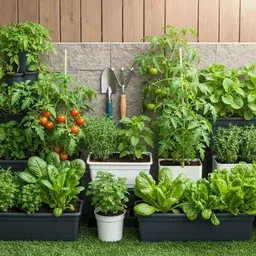
Build a Pollinator-Friendly Small Garden
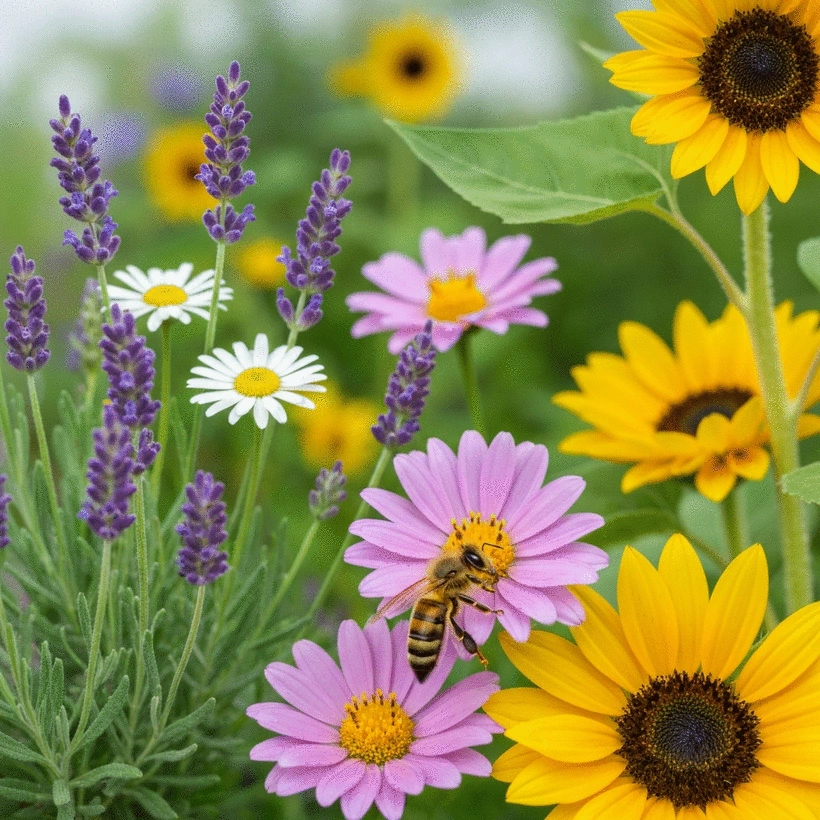
Did you know that pollinators are responsible for one out of every three bites of food we consume? This staggering fact highlights the vital role these small creatures play in our ecosystems, making it crucial for us to support their populations through pollinator-friendly gardens.
What You Will Learn
- Pollinators are essential for food production, contributing to one-third of the food we eat.
- Creating pollinator-friendly gardens enhances biodiversity and supports local wildlife.
- The decline of pollinator populations is driven by habitat loss, pesticide use, and climate change.
- Diverse pollinator gardens not only attract bees and butterflies but also improve soil health and promote ecological balance.
- Engaging your community in gardening initiatives can raise awareness and support conservation efforts for pollinators.
The Critical Decline of Pollinator Populations
Pollinators are essential for a healthy ecosystem, but their populations are facing alarming declines due to various factors. This visual highlights key trends and the impact of these changes.
Bee Population Decline
Honeybee colonies are declining at alarming rates, with many beekeepers reporting losses of 30% or more each year. This poses a significant threat to food production and biodiversity.
Habitat Loss
Urbanization and intensive agriculture reduce natural habitats vital for pollinators' survival.
Pesticide Use
Conventional farming chemicals directly harm or kill essential pollinator species.
Understanding the Importance of Pollinator-Friendly Gardens for Local Ecosystems
As I stroll through my own garden at The Urban Gardener's Haven, I am constantly reminded of how vital pollinators are for maintaining healthy ecosystems. These little creatures, from bees to butterflies, play a crucial role in the biodiversity of our planet. By creating pollinator-friendly gardens, we not only support these essential species but also contribute to the overall health of our local environment.
Pollinators are responsible for the fertilization of many plants, which in turn produce the fruits, vegetables, and flowers we rely on. Without them, our gardens and natural landscapes would be far less vibrant! So, let's dive into why pollinators are essential and the declining numbers we face today.
Why Pollinators are Essential for Biodiversity
Every gardener should understand the significant role pollinators play in sustaining biodiversity. They not only assist in the reproduction of flowering plants but also provide food and habitat for other wildlife. Some key points to consider include:
- Food Production: Pollinators are responsible for one out of every three bites of food we consume, highlighting their critical importance to global food security.
- Ecosystem Balance: They help maintain balance within ecosystems by supporting plant populations that serve as habitats for other species.
- Genetic Diversity: Pollination encourages genetic diversity, which strengthens plant populations and resilience against pests and diseases.
As you can see, the relationship between pollinators and biodiversity is vital, and creating a habitat for them in our gardens is a step everyone can take.
The Decline of Pollinators and Its Impact on Ecosystems
Unfortunately, we are witnessing a decline in pollinator populations worldwide, which creates a ripple effect through our ecosystems. Factors like habitat loss, pesticide use, and climate change are major contributors to this crisis. Understanding these issues can help us take action. Here are some alarming trends:
- Bee Populations: Honeybee colonies have been declining at alarming rates, with many beekeepers reporting losses of 30% or more each year.
- Habitat Loss: Urbanization and intensive agriculture have reduced the natural habitats that pollinators rely on.
- Pesticide Use: Chemicals used in conventional farming can harm or kill pollinators directly.
These issues highlight the need for more pollinator-friendly gardens to combat these challenges. By transforming our green spaces, we can make a positive impact!
How Pollinator Habitats Support Local Wildlife
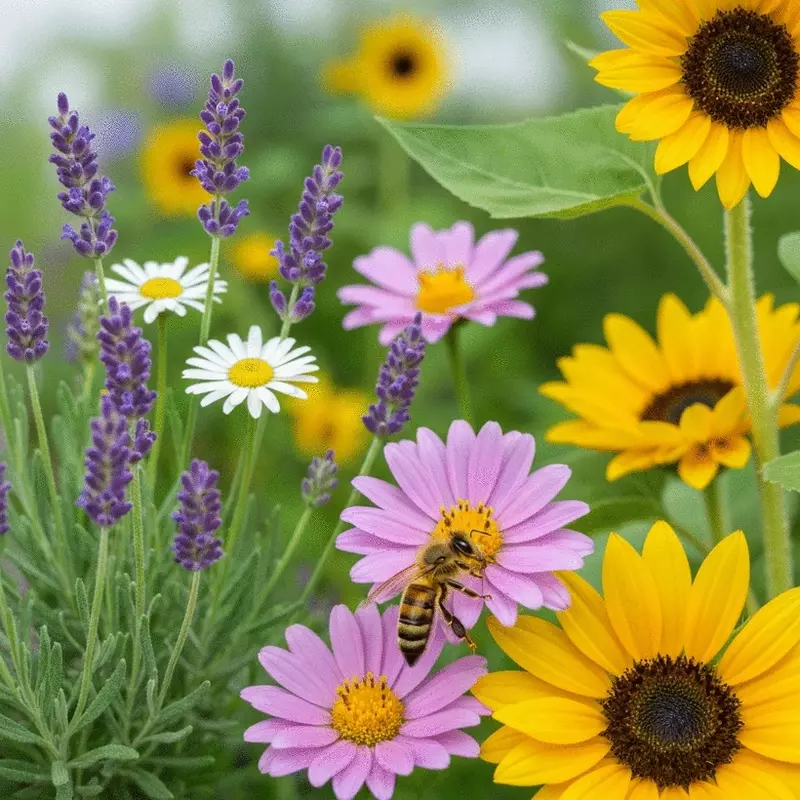
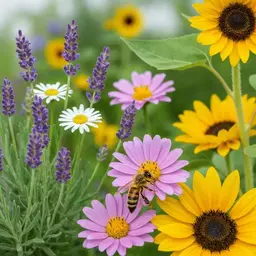
Creating gardens that attract and support pollinators goes beyond just benefiting bees and butterflies—it enhances the entire ecosystem. A well-planned pollinator garden can:
- Encourage Diversity: By planting a variety of flowers, you can attract a range of pollinators, from hummingbirds to solitary bees. Specific plant lists, like those provided by the Xerces Society, can help you choose the best options for your region.
- Support Other Species: Pollinator gardens also provide food and shelter for other wildlife, such as birds and beneficial insects.
- Enhance Soil Health: Diverse plant life can improve soil health by reducing erosion and increasing organic matter.
As you embark on your gardening journey, remember that every small step can create a significant impact on local wildlife and ecosystems. By planting with intention, you're helping to maintain the delicate balance of nature.
Frequently Asked Questions About Pollinator Gardens
- Q: Why are pollinators so important?
- A: Pollinators are crucial because they are responsible for the fertilization of many plants, including one out of every three bites of food we eat. They also support biodiversity, ecosystem balance, and genetic diversity in plant populations.
- Q: What factors contribute to the decline of pollinator populations?
- A: Key factors include habitat loss due to urbanization and intensive agriculture, the widespread use of pesticides in conventional farming, and the impacts of climate change.
- Q: How does creating a pollinator-friendly garden help the environment?
- A: Pollinator gardens enhance local biodiversity, provide food and shelter for a variety of wildlife (not just pollinators), improve soil health, and contribute to overall ecosystem stability.
- Q: What are some simple steps I can take to create a pollinator garden?
- A: You can start by selecting native plants that provide nectar and pollen, avoiding pesticides, and providing water sources. Consider consulting resources like UF/IFAS Extension publications for guidance on choosing appropriate plants.
- Q: Can community involvement make a difference in pollinator conservation?
- A: Absolutely! Community engagement through shared gardening, workshops, and citizen science projects can raise awareness, foster a sense of collective responsibility, and significantly amplify conservation efforts.
We Want to Hear From You!
Have you ever considered how your gardening choices impact local pollinator populations? Share your thoughts below:
Summarizing the Benefits of a Pollinator-Friendly Garden
Creating a pollinator-friendly garden is not just a trend; it's a vital step toward enhancing our local ecosystems! By cultivating a space that attracts bees, butterflies, and other essential pollinators, we can significantly boost biodiversity in our neighborhoods. These gardens serve as sanctuaries for wildlife while promoting healthy plant growth and increasing food security in our communities.
Moreover, a well-planned pollinator garden can improve air quality and provide beautiful landscapes that bring joy to those who enjoy them. It’s amazing to think that with a few simple changes, we can transform our small gardens into thriving ecosystems!
Enhancing Local Biodiversity with Your Small Garden
Every small garden has the potential to make a big impact! By selecting native plants and creating habitats that support pollinators, we contribute to a healthier environment. Here are some key ways your garden can enhance local biodiversity:
- Providing food sources for various pollinators throughout the seasons.
- Creating a network of green spaces that connects wildlife corridors.
- Supporting local flora and fauna, which helps maintain ecological balance.
As your plants bloom and your garden flourishes, you’ll notice an increase in the variety of creatures visiting—it's like a live action show of nature right in your backyard!
Encouraging Community Engagement and Conservation
Pollinator gardens offer a wonderful opportunity for community involvement. When we share our gardening experiences and knowledge, we foster a sense of connectedness among our neighbors. Here are some ideas for encouraging engagement:
- Organize community garden days to plant and maintain pollinator-friendly spaces.
- Host workshops on the importance of pollinators and sustainable gardening practices.
- Share your garden’s progress on social media and invite others to do the same!
By working together, we can inspire more individuals to embrace eco-friendly gardening practices and make a difference in our local ecosystems.
The Role of Pollinator Gardens in Ecosystem Support
Pollinator gardens play a crucial role in supporting the health of our ecosystems. They provide essential services such as:
- Enhancing food production through effective pollination of crops.
- Supporting the survival of endangered plant species by promoting genetic diversity.
- Improving soil health through organic matter replenishment and preventing erosion.
These gardens are an integral part of nature’s web, where each flower and pollinator has a role to play. By implementing a pollinator-friendly garden, we are actively contributing to a sustainable future!
Taking the Next Steps Towards Your Pollinator Garden
So, what comes next on your journey to creating a vibrant pollinator-friendly garden? It's time to roll up your sleeves and get involved!
Getting Involved with Local Conservation Initiatives
Joining forces with local conservation groups can amplify your efforts! Many organizations focus on preserving pollinator habitats and educating the public about their importance. Here are some ways to connect:
- Volunteer for local garden clean-up days or educational programs.
- Participate in citizen science projects that track pollinator populations.
- Attend community meetings to stay informed about ongoing conservation efforts.
These activities not only enrich your knowledge but also strengthen the community’s commitment to protecting our precious pollinators!
Resources and Tools for Your Pollinator-Friendly Garden Journey
Having the right resources can make all the difference! At The Urban Gardener's Haven, we offer a wealth of guides and plant profiles tailored to help you establish a thriving pollinator garden. Consider utilizing:
- Online forums and social media groups focused on gardening and pollinator support.
- Local gardening centers for native plant selections.
- Books and podcasts about sustainable gardening practices.
These tools will empower you to make informed choices and create a garden that is not only beautiful but also beneficial for pollinators!
Community Gardening: Building Networks for Conservation Efforts
Community gardens are a fantastic way to bring people together while promoting sustainable practices! By collaborating with neighbors, you can create larger habitats that support an array of wildlife. Here are some strategies to build networks:
- Create a shared calendar for planting, maintenance, and events.
- Share tips and resources, fostering a culture of learning and growth.
- Encourage participants to contribute their own native plants and seeds.
As you collaborate, you'll not only enhance your gardens but also strengthen community bonds and awareness around conservation efforts! Together, we can create a beautiful, vibrant world for both humans and pollinators alike!
Recap of Key Points
Here is a quick recap of the important points discussed in the article:
- Vital Role of Pollinators: Pollinators are essential for food production, ecosystem balance, and genetic diversity in plants.
- Declining Populations: Factors like habitat loss, pesticide use, and climate change are causing alarming declines in pollinator populations.
- Enhancing Local Ecosystems: Pollinator-friendly gardens improve biodiversity, support wildlife, and enhance soil health.
- Community Engagement: Involvement in local conservation initiatives and community gardening fosters a collective effort toward sustainability.
- Resources for Gardeners: Utilizing online forums, local gardening centers, and educational materials can empower gardeners in creating effective pollinator habitats.