Maximize Yields in Small Gardens
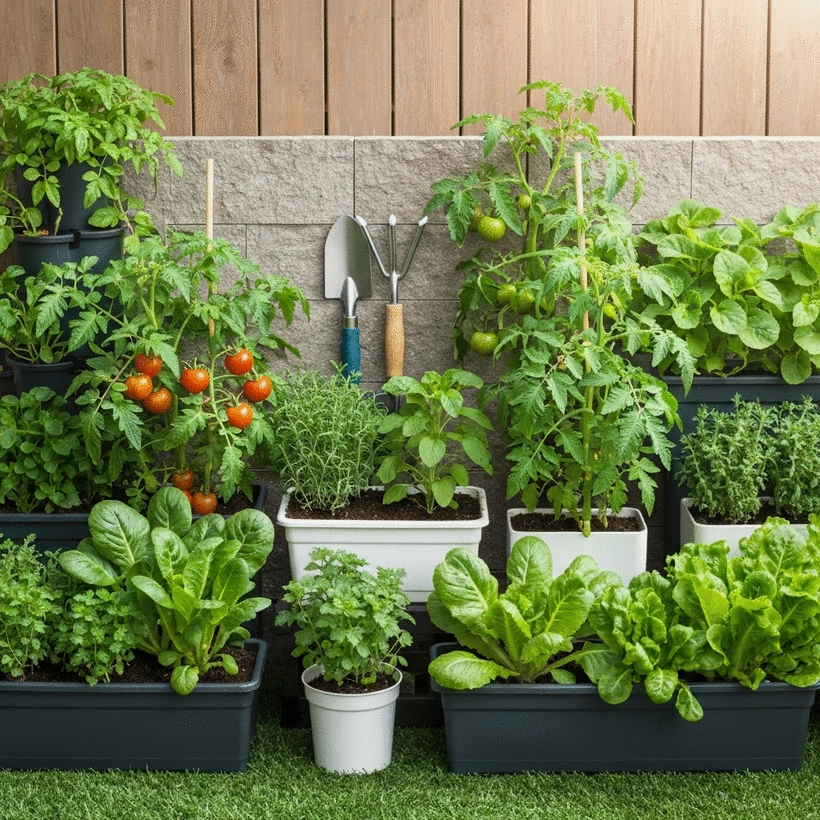
How much greenery can you fit into a tiny balcony or backyard? The answer might surprise you! Embracing organic gardening in limited spaces not only allows you to grow your own food but also connects you to nature in a meaningful way. Let's explore sustainable practices that enrich both your garden and the environment.
What You Will Learn
- Organic gardening enhances soil health through natural compost and organic matter, providing essential nutrients for plants.
- Gardening in small areas encourages creativity, leading to innovative solutions like vertical gardening and container planting.
- Engaging with community gardens fosters connections and shared experiences among local gardeners.
- Choosing the right plants for your space and climate is crucial for a successful and sustainable gardening experience.
- Continuously learning and participating in workshops can deepen your gardening knowledge and skills.
Maximizing Small Space Gardens: Key Considerations
Successful small-space gardening thrives on three core principles: maximizing space, choosing suitable plants, and thinking sustainably. These elements are crucial for transforming any compact area into a vibrant, productive garden.
Maximize Space
Utilize vertical gardening and container solutions to create a lush oasis.
Choose Wisely
Select plants that thrive in small spaces and are suitable for your local climate.
Think Sustainability
Embrace organic practices to enrich your soil and support local ecosystems.
Engage with Community
Connect with local gardeners and community gardens for support and inspiration.
Understanding Organic Gardening for Limited Spaces
As I reflect on my gardening journey, I can’t help but appreciate how organic gardening transforms our urban environments. At The Urban Gardener's Haven, I explore this impactful practice, making it accessible for everyone, especially those with limited spaces. Organic gardening not only nurtures plants without synthetic fertilizers or pesticides, but it also fosters a deeper connection to nature and promotes healthier ecosystems. It’s an approach that matters now more than ever as we confront environmental challenges.
Understanding the principles of organic gardening empowers us to cultivate our green spaces sustainably. With a focus on natural processes, we can enrich the soil, protect beneficial insects, and create thriving gardens that enhance our urban landscapes. Have you ever considered how much potential lies in your small backyard or balcony? Let’s dive into the beauty of gardening, even in the tightest of spaces!
What is Organic Gardening and Why It Matters
Organic gardening involves growing plants without the use of synthetic chemicals, relying instead on natural methods to foster plant growth. This approach is crucial not only for personal health but also for the environment. By using organic techniques, we reduce pollution, conserve water, and improve soil health—all essential factors for sustainable living.
- Soil Health: Organic gardening focuses on enriching the soil with natural compost and organic matter, ensuring the best nutrients for your plants.
- Biodiversity: Creating diverse plant environments attracts beneficial insects, helping control pests naturally.
- Healthy Eating: Growing your own organic fruits and vegetables ensures you have access to fresh, chemical-free produce, a significant benefit according to research on sustainable food systems.
Embracing organic practices not only contributes to a healthier lifestyle but also promotes ecological balance. Imagine stepping into your garden, knowing every plant is nurtured naturally!
The Benefits of Gardening in Small Areas
Gardening in small areas may seem challenging, but it comes with a host of benefits that can surprise even seasoned gardeners. For one, small spaces often lead to greater creativity and resourcefulness. As I’ve learned through my own experiences, the limitations of space can inspire innovative gardening solutions that yield beautiful results.
- Easy Maintenance: Smaller gardens are more manageable, allowing you to care for your plants consistently without overwhelming tasks.
- Rapid Growth: In well-planned small spaces, plants tend to grow more quickly since they receive more concentrated attention and care.
- Community Engagement: Small gardening spaces can foster connections with neighbors and local gardening groups, enhancing your gardening experience.
Exploring these benefits can truly change your perspective on what gardening can be. If you approach your small space with creativity and enthusiasm, you’ll be amazed at what you can achieve!
Exploring Urban Gardening: Adapting Techniques for City Environments
Urban gardening presents unique challenges and opportunities. In cities, we face limited space, but with the right techniques, we can maximize our gardening potential. I’ve witnessed firsthand how urban gardening can transform concrete jungles into vibrant green spaces!
- Vertical Gardening: Utilize walls, fences, and trellises to grow upwards, saving ground space while adding beauty.
- Container Gardening: Use pots and planters to create mini-gardens on balconies, patios, or even windowsills.
- Community Gardens: Collaborate with neighbors in shared gardening spaces to learn and grow together. This collaboration can have positive impacts on community well-being and environmental sustainability.
Urban environments may pose challenges, but they also provide a fantastic opportunity to innovate. With a little creativity, even the smallest of spaces can flourish!
Frequently Asked Questions About Small Space Organic Gardening
- Q: What are the main benefits of organic gardening in small spaces?
- A: Organic gardening in small spaces offers several benefits, including enhanced soil health, increased biodiversity, access to healthy, chemical-free produce, easier maintenance due to smaller scale, and fosters community engagement.
- Q: How can I maximize space in a small garden?
- A: To maximize space, utilize vertical gardening techniques (walls, fences, trellises) and container gardening (pots, planters on balconies or windowsills). These methods allow you to grow upwards and use every available surface.
- Q: What types of plants are best for small space organic gardens?
- A: Choose plants that thrive in confined conditions and are suitable for your local climate. Herbs, leafy greens, cherry tomatoes, bush beans, and many flowers are excellent choices for container or vertical gardens.
- Q: Why is soil health important in organic gardening?
- A: Soil health is fundamental in organic gardening because it provides essential nutrients for plants naturally. Enriching soil with compost and organic matter promotes a healthy ecosystem within the soil, reducing the need for synthetic fertilizers.
- Q: How does urban gardening contribute to sustainability?
- A: Urban gardening contributes to sustainability by reducing food miles, promoting local food production, enhancing urban biodiversity, improving air quality, and fostering community connections around environmentally friendly practices.
Engage with Nature!
Have you ever thought about the impact of your gardening choices? Every small step towards organic gardening not only enriches your own life but also contributes to a healthier planet. What is one organic practice you plan to implement in your gardening journey? Share your thoughts below!
Summarizing the Journey to Productive Small Space Gardens
As we wrap up this exploration into the world of small space gardening, it's clear that organic gardening offers a pathway to transform even the tiniest areas into vibrant green spaces. Whether you're aiming to grow your own food or beautify your surroundings, the techniques we've discussed can help you make the most of what you have. Remember, every little effort counts!
Here are some key takeaways to keep in mind as you embark on or continue your gardening journey:
- Maximize Space: Utilize vertical gardening and container solutions to create a lush oasis, no matter how limited your area may be.
- Choose Wisely: Select plants that thrive in small spaces and are suitable for your local climate, ensuring a successful growing season.
- Think Sustainability: Embrace organic practices to enrich your soil and support local ecosystems, making your garden not just beautiful, but also environmentally friendly.
- Engage with Community: Connect with local gardeners and community gardens for support, inspiration, and shared experiences.
- Keep Learning: Take advantage of workshops and resources available in your area to deepen your gardening knowledge.
Encouraging Action: Start Your Small Space Gardening Adventure Today
Don’t wait any longer! At The Urban Gardener's Haven, I'm here to support your journey, no matter where you're starting from. The excitement of planting that first seed or nurturing your first sprout can be incredibly rewarding. Gather your supplies, plan your layout, and let your creativity flow as you design your personal green retreat!
Remember, every gardener's journey is unique, and there's no right or wrong way to cultivate your garden. Whether you’re working with a balcony, a small yard, or even just a windowsill, the possibilities are endless. So, roll up your sleeves, get your hands in the soil, and take that first step towards creating your own small space paradise. What will you plant first?
Recap of Key Points
Here is a quick recap of the important points discussed in the article:
- Maximize Space: Utilize vertical gardening and container solutions to create a lush oasis, no matter how limited your area may be.
- Choose Wisely: Select plants that thrive in small spaces and are suitable for your local climate, ensuring a successful growing season.
- Think Sustainability: Embrace organic practices to enrich your soil and support local ecosystems, making your garden not just beautiful, but also environmentally friendly.
- Engage with Community: Connect with local gardeners and community gardens for support, inspiration, and shared experiences.
- Keep Learning: Take advantage of workshops and resources available in your area to deepen your gardening knowledge.