Building Your Vermicompost System
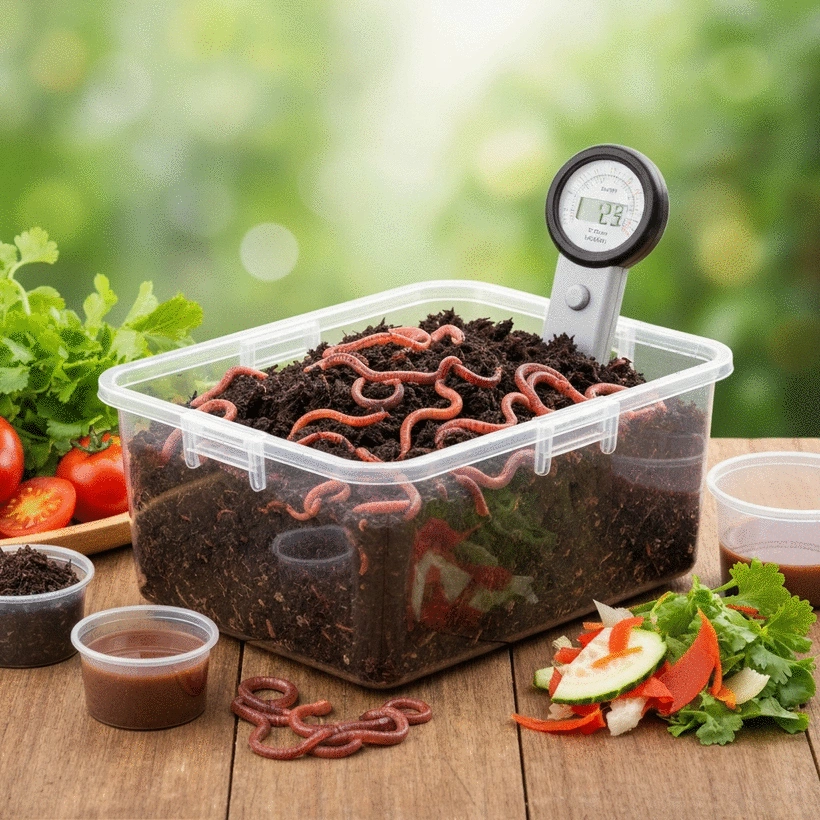
Have you ever wondered how a handful of worms could make a difference in your garden? Vermicomposting, the process of using worms to convert kitchen scraps into nutrient-rich soil, is not just an eco-friendly practice; it's a pathway to a thriving garden. Let’s uncover the powerful benefits of this natural method!
What You Will Learn
- Vermicomposting utilizes worms, primarily red wigglers, to efficiently break down organic waste into nutrient-rich compost.
- The compost produced, known as worm castings, is packed with essential nutrients that enhance soil health.
- Microorganisms in the worm bin work symbiotically with worms, improving compost quality and fostering a healthy garden ecosystem.
- Investing time in setting up a vermicomposting system can significantly reduce household waste while creating a sustainable gardening practice.
- Using vermicompost improves water retention in soil, reducing the need for frequent watering and supporting plant growth.
- Vermicomposting helps lower your carbon footprint by diverting food scraps from landfills and reducing greenhouse gas emissions.
The Vermicomposting Journey: Time, Cost, and Environmental Impact
This visual outlines the time and cost investment for setting up a vermicomposting system, alongside the significant environmental benefits it offers.
Time Investment
- Setup: A few hours (materials, worms, bin assembly)
- Weekly Maintenance: 15-30 minutes (feeding, checking conditions)
Cost Considerations
- Initial Investment: $50 - $150 (depends on system size/materials)
- Long-term: Offset by nutrient-rich soil production
Environmental Impact
- Reduces Landfill Waste: Diverts food scraps
- Lowers Carbon Footprint: Reduces greenhouse gas emissions
Key Benefits
- Improved Nutrient Content: N, P, K in vermicompost
- Enhanced Microbial Activity: Boosts soil health
- Better Water Retention: Reduces watering needs
Understanding the Importance of Vermicomposting for Organic Soil
As I delve into the world of gardening, one topic that always excites me is vermicomposting. It’s incredible how these tiny worms can transform kitchen scraps into nutrient-rich soil! This process not only enriches the soil but also contributes to a healthier garden ecosystem. Let’s explore what vermicomposting is all about and the vital role it plays in organic gardening.
What is Vermicomposting and How Does it Work?
At its core, vermicomposting is a method of composting that uses worms to break down organic waste. The most common species used for this purpose is the red wiggler worm, known for its voracious appetite and efficiency. These little champions consume food scraps and other organic materials, transforming them into rich compost known as worm castings. The process works through a combination of digestion and microbial activity, where beneficial microorganisms also aid in breaking down materials. For more detailed information on how vermicomposting works, you can refer to resources like those provided by Utah State University Extension.
- Worms eat the organic waste, creating nutrient-dense castings.
- Microorganisms thrive in the worm bin, further enhancing compost quality.
- The end product is a dark, crumbly substance packed with essential nutrients.
By embracing vermicomposting, you can significantly reduce household waste while enhancing your garden's soil quality. Isn’t it wonderful that such a simple practice can yield such amazing results?
Key Benefits of Using Vermicompost for Soil Health
Using vermicompost in your garden brings a plethora of benefits. Not only does it improve soil structure, but it also enhances nutrient availability. Here are some key advantages:
- Improved Nutrient Content: Vermicompost is rich in essential nutrients like nitrogen, phosphorus, and potassium.
- Enhanced Microbial Activity: The microbes present in vermicompost boost soil health and plant growth.
- Water Retention: This compost helps in retaining moisture, reducing the need for frequent watering.
Incorporating vermicompost into your gardening practices will create a thriving environment for your plants while promoting sustainability. I still remember the first time I saw my plants flourish after using it—what a sight!
Exploring the Role of Microorganisms in Vermicomposting
Microorganisms play an essential role in the vermicomposting process. They assist worms in breaking down organic material and are crucial for creating high-quality compost. The symbiotic relationship between worms and microbes leads to a rich ecosystem in your worm bin. Penn State Extension offers valuable insights into how worms put these microorganisms to work.
- Bacteria: They decompose organic matter and cycle nutrients back into the soil.
- Fungi: These help break down tough plant fibers and contribute to soil structure.
- Protozoa: They feed on bacteria, helping to keep the microbial population balanced.
Understanding the importance of these microorganisms can help you create a more effective vermicomposting system. When you provide the right conditions, you’re not just creating compost; you’re nurturing an entire ecosystem!
Frequently Asked Questions About Vermicomposting
What is vermicomposting?
Vermicomposting is a method of composting that uses worms, primarily red wigglers, to break down organic waste into nutrient-rich compost known as worm castings.
What are the main benefits of using vermicompost?
Vermicompost improves soil nutrient content (nitrogen, phosphorus, potassium), enhances microbial activity, and increases water retention in the soil, leading to healthier plants and reduced watering needs.
What role do microorganisms play in vermicomposting?
Microorganisms like bacteria, fungi, and protozoa work symbiotically with worms to decompose organic matter, cycle nutrients, break down tough plant fibers, and maintain a balanced microbial population, all contributing to high-quality compost.
How much time and money does it take to start vermicomposting?
Initial setup typically takes a few hours, and weekly maintenance requires 15-30 minutes. The initial cost can range from $50 to $150, which is offset over time by the production of nutrient-rich soil.
How does vermicomposting help the environment?
Vermicomposting reduces landfill waste by diverting food scraps, lowers carbon footprints by reducing greenhouse gas emissions compared to traditional waste disposal, and supports overall soil health and biodiversity.
We Want to Hear From You!
Have you tried vermicomposting in your garden? What challenges have you faced or successes have you celebrated? Share your experiences and tips with us!
Wrapping Up: Your Journey to Rich Organic Soil
As we reach the end of our exploration into vermicomposting, it's vital to understand the commitment this process entails. Vermicomposting isn't just a means to create organic soil; it's a rewarding journey that requires time and care. Let's break down what you can expect in terms of time investment and cost, and why it’s worth every minute and cent!
Evaluating the Time Investment and Cost of Vermicomposting
While setting up a vermicomposting system may seem daunting at first, the beauty lies in its simplicity and sustainability. Here are some key factors to consider:
- Initial Setup Time: Expect to spend a few hours gathering materials, choosing the right worms, and assembling your bin.
- Weekly Maintenance: Plan for 15-30 minutes each week to feed your worms and check the bin’s conditions.
- Cost Considerations: The initial investment can range from $50 to $150, depending on the size of your system and materials. However, this cost is offset over time by the nutrient-rich soil you produce! New Mexico State University provides additional guidance on setting up and maintaining a worm composting system.
Investing your time and money into vermicomposting is a step toward creating healthier gardens and promoting sustainable practices. I encourage you to weigh these factors carefully, as they’re critical to your success!
Encouragement to Start Your Own Vermicompost System Today
Don’t let the initial setup time deter you! Starting your own vermicomposting system is an exciting venture that can transform your gardening experience. Here’s why you should dive in today:
- It's a fantastic way to recycle kitchen scraps and reduce waste.
- You’ll be amazed at how quickly you can produce organic soil that enriches your plants.
- Joining the vermicomposting community opens doors to sharing experiences and tips with fellow garden enthusiasts.
As the heart behind The Urban Gardener's Haven, I wholeheartedly believe that every gardener can make a difference, no matter the size of their space or their experience level. So, grab your bin and let’s get started!
Exploring the Environmental Benefits of Reducing Landfill Waste
Lastly, let’s talk about the broader environmental impact of your vermicomposting efforts. By composting at home, you contribute to a healthier planet in several significant ways:
- Reducing Landfill Waste: Food scraps make up a huge portion of landfill waste. By composting, you’re keeping this organic material out of landfills.
- Lowering Carbon Footprint: Vermicomposting reduces greenhouse gas emissions compared to traditional waste disposal methods.
- Supporting Soil Health: The vermicompost you create enriches soil, fosters plant growth, and encourages biodiversity.
It’s inspiring to realize that your small actions can lead to significant environmental benefits! Let’s cultivate our love for gardening and sustainability together, making our communities greener, one worm at a time!
Recap of Key Points
Here is a quick recap of the important points discussed in the article:
- Vermicomposting utilizes worms, particularly red wigglers, to turn organic waste into nutrient-rich compost.
- Key benefits include improved soil health, enhanced microbial activity, and better water retention.
- Microorganisms like bacteria, fungi, and protozoa play a crucial role in breaking down material and enriching the compost.
- Setting up a vermicomposting system requires an initial time investment, but it pays off with high-quality compost.
- By composting at home, you reduce landfill waste and contribute to a healthier environment.