Benefits of a Roofed Greenhouse
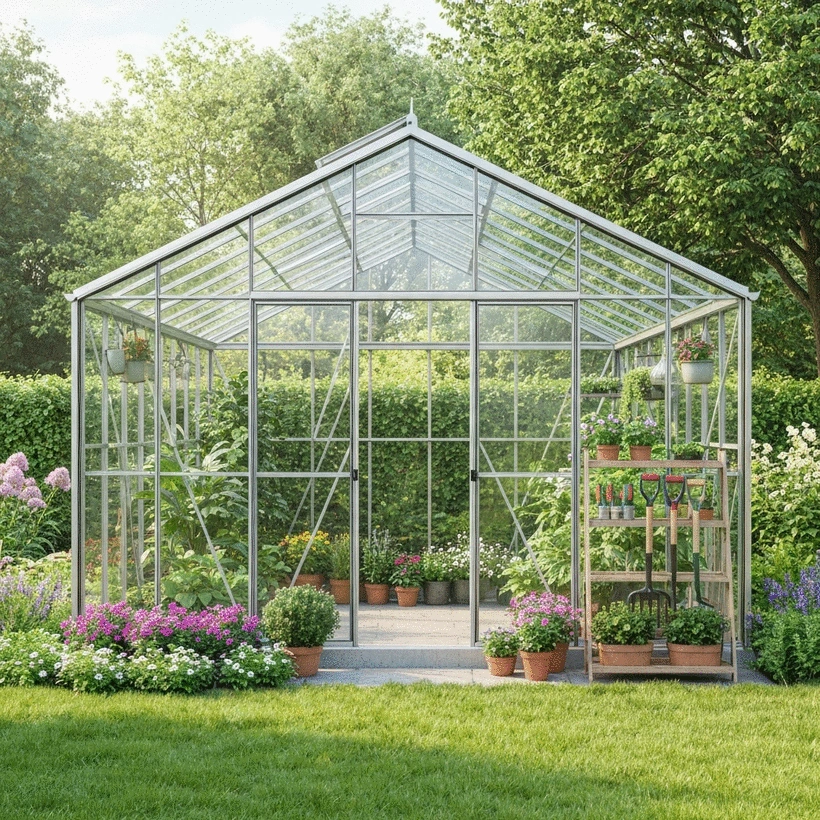
As urban areas continue to expand, the potential for rooftop greenhouses becomes an exciting frontier for sustainable living. These innovative spaces not only maximize limited real estate but also contribute to the urban ecosystem. What makes them thrive? Let's explore the key insights and practical knowledge you can gain from rooftop greenhouse gardening.
What You Will Learn
- Rooftop greenhouses efficiently utilize unused rooftop space, transforming it into productive gardening areas.
- Effective design elements like strong structural support and insulation are crucial for the success of rooftop greenhouses.
- Understanding local zoning laws and building codes is essential for compliance and successful installation.
- Implementing water management systems and renewable energy sources enhances the sustainability of rooftop greenhouses.
- Regular maintenance routines, including watering and pest control, are vital for thriving plant growth.
Rooftop Greenhouse Key Elements & Operations
An overview of the essential components and operational aspects for successful urban rooftop greenhouses.
Design & Components
Effective Greenhouse Design
- Strong Structural Support
- Ventilation Systems
- Insulation Materials
Urban Operations
How They Operate
- Natural Light Utilization
- Water Management (Rainwater harvesting)
- Energy Efficiency (Renewable sources)
Logistics & Regulations
Navigating Challenges
- Zoning Laws & Building Codes
- Maintenance & Day-to-Day Management
- Foundation Types & Structural Support
Core Principles
What is a Rooftop Greenhouse?
- Garden structure on building top
- Space Efficiency & Climate Control
- Utilizes sunlight, rainwater, ambient temp
Understanding Rooftop Greenhouses: Functionality and Benefits
As urban spaces grow, the concept of *rooftop greenhouses* has become a vital solution for maximizing limited space while promoting sustainability. These innovative structures not only allow for fresh produce and vibrant plants but also contribute significantly to the urban ecosystem. Let’s dive into what makes a greenhouse on a rooftop so special and the many benefits it offers.
So, what exactly is a greenhouse with a roof? It’s much more than just a garden on high; it’s a carefully designed ecosystem that nurtures plants. By utilizing sunlight, rainwater, and even the ambient temperature of the building, rooftop greenhouses can thrive in otherwise challenging environments. This brings a new wave of gardening enthusiasm to city dwellers like us!
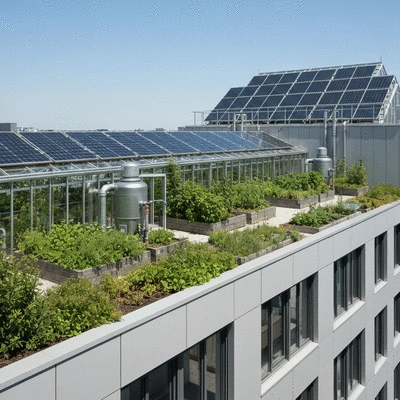
What is a Greenhouse with Roof?
A rooftop greenhouse is essentially a garden structure situated on the top of a building, providing an ideal environment for plant growth. These greenhouses offer several unique features that set them apart from traditional gardens:
- Space Efficiency: They make use of otherwise unused rooftop space, transforming it into a productive area.
- Climate Control: The design allows for better temperature regulation, which is crucial for plant health.
- Accessibility: These greenhouses are often easier to manage and access, especially in urban settings.
By incorporating these elements, rooftop greenhouses not only beautify our urban landscapes but also encourage a stronger connection to nature. Have you ever thought about how much potential exists above our heads?
How Rooftop Greenhouses Operate in Urban Environments
Operating a rooftop greenhouse in an urban setting requires a unique approach. Here are some key operational aspects:
- Natural Light Utilization: Rooftop greenhouses leverage sunlight, making it essential to position them to capture as much light as possible.
- Water Management: Rainwater harvesting systems can be implemented to efficiently collect and use water resources.
- Energy Efficiency: Many setups utilize renewable energy sources or incorporate energy-saving technologies.
In my experience at The Urban Gardener's Haven, the joy of seeing plants thrive in an urban rooftop greenhouse is unmatched! It’s amazing how these spaces can foster a sense of community among city residents.
Components of Effective Greenhouse Design for Roof Installations
When it comes to rooftop greenhouses, design is everything! An effective greenhouse needs to incorporate specific components to ensure optimal growth:
- Strong Structural Support: Given the additional weight of soil and plants, a solid foundation is crucial.
- Ventilation Systems: Proper airflow is necessary to maintain healthy plant conditions and prevent overheating.
- Insulation Materials: Insulating materials can help maintain temperature and reduce energy needs.
By focusing on these design elements, we can create a rooftop greenhouse that not only looks good but also functions efficiently. It’s a delightful way to enhance our urban living spaces and cultivate a love for gardening!
Pro Tip
When planning your rooftop greenhouse, consider incorporating vertical gardening techniques. This not only optimizes the use of space but also creates an eye-catching aesthetic. Use wall planters or trellises to allow your plants to grow upward, maximizing both your yield and your enjoyment of the greenery!
Navigating Regulations and Operational Logistics
Starting a rooftop greenhouse is an exciting venture, but it comes with its own set of challenges. One key aspect to consider is the regulatory landscape. Understanding zoning laws and building codes is essential before you dive into your project. These regulations can vary significantly depending on where you live, affecting everything from structural requirements to what you can grow. Taking the time to research these laws will pave the way for a smoother setup process!
Additionally, operational logistics play a crucial role in the success of your greenhouse. This includes daily management practices and ongoing maintenance, which are vital for ensuring your plants thrive. It’s essential to establish a routine that addresses watering, pest control, and climate monitoring. Trust me, having a clear plan in place makes a world of difference!
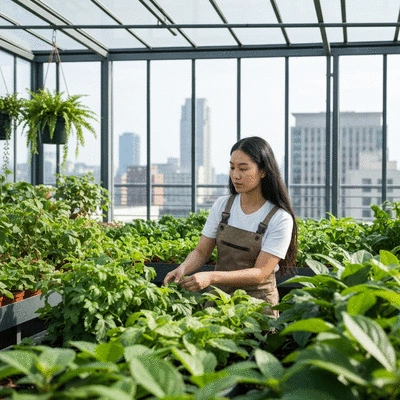
Understanding Zoning Laws and Building Codes for Rooftop Greenhouses
Navigating the complexities of zoning laws and building codes can seem daunting, but it doesn't have to be! Here are a few key points to keep in mind:
- Check local regulations regarding rooftop structures.
- Ensure compliance with weight limits for rooftop installations.
- Investigate any permits needed for construction or agricultural use.
- Consult local urban planning resources for guidelines specific to your area.
Understanding these components will help you create a foundation for a compliant and successful greenhouse. I always recommend reaching out to local authorities early in your planning process for the best advice!
Maintenance and Day-to-Day Management Considerations
Once your rooftop greenhouse is up and running, it's time to focus on maintenance and management. Here’s what you should consider for day-to-day operations:
- Regular watering schedules—consider using a drip irrigation system for efficiency.
- Pest management practices, such as organic solutions to protect your plants.
- Monitoring temperature and humidity levels to ensure a healthy environment.
- Routine inspections for structural integrity and any needed repairs.
By staying on top of these tasks, you’ll be able to enjoy a flourishing garden while minimizing headaches along the way. Remember, a happy greenhouse is a productive greenhouse!
Foundation Types and Structural Support for Rooftop Installations
When it comes to structural support for your rooftop greenhouse, the foundation is crucial. Different foundation types can significantly impact your setup:
- Lightweight frames that minimize load on the roof.
- Modular systems that allow for easy expansion and flexibility.
- Platform designs that distribute weight evenly across the roof surface.
Selecting the right foundation type tailored to your specific roof structure will ensure that your greenhouse stands strong against the elements. I’ve seen firsthand how important it is to choose wisely; it can save you headaches later on!
Frequently Asked Questions
- What is a rooftop greenhouse?
- A rooftop greenhouse is a garden structure built on top of a building, designed to efficiently utilize unused space for plant cultivation, offering climate control and accessibility in urban environments.
- What are the key benefits of rooftop greenhouses?
- Rooftop greenhouses offer space efficiency, climate control for optimal plant health, accessibility in urban settings, and contribute to sustainability through natural light utilization, water management, and energy efficiency.
- What design elements are crucial for a successful rooftop greenhouse?
- Crucial design elements include strong structural support to bear the weight of soil and plants, effective ventilation systems for proper airflow, and insulation materials to maintain stable temperatures and reduce energy consumption.
- Why are zoning laws and building codes important for rooftop greenhouses?
- Understanding zoning laws and building codes is essential for compliance, ensuring the greenhouse meets local regulations regarding rooftop structures, weight limits, and securing necessary permits for construction or agricultural use.
- What maintenance is required for a rooftop greenhouse?
- Regular maintenance includes consistent watering schedules (ideally with drip irrigation), effective pest management (preferably organic), monitoring temperature and humidity, and routine inspections for structural integrity and any necessary repairs.
Recap of Key Points
Here is a quick recap of the important points discussed in the article:
- Space Efficiency: Rooftop greenhouses utilize otherwise unused rooftop space, transforming it into productive areas.
- Climate Control: Effective design enables better temperature regulation for healthy plant growth.
- Natural Light Utilization: Position greenhouses to capture maximum sunlight for optimal growth.
- Water Management: Implement rainwater harvesting systems to efficiently collect and use water resources.
- Structural Support: Ensure strong foundations to accommodate the weight of soil and plants.
- Regulatory Awareness: Understand zoning laws and building codes before starting a rooftop greenhouse project.
- Maintenance Routine: Establish a clear plan for watering, pest control, and climate monitoring to ensure plant health.